

 en
en  English
 日本語
日本語 Español

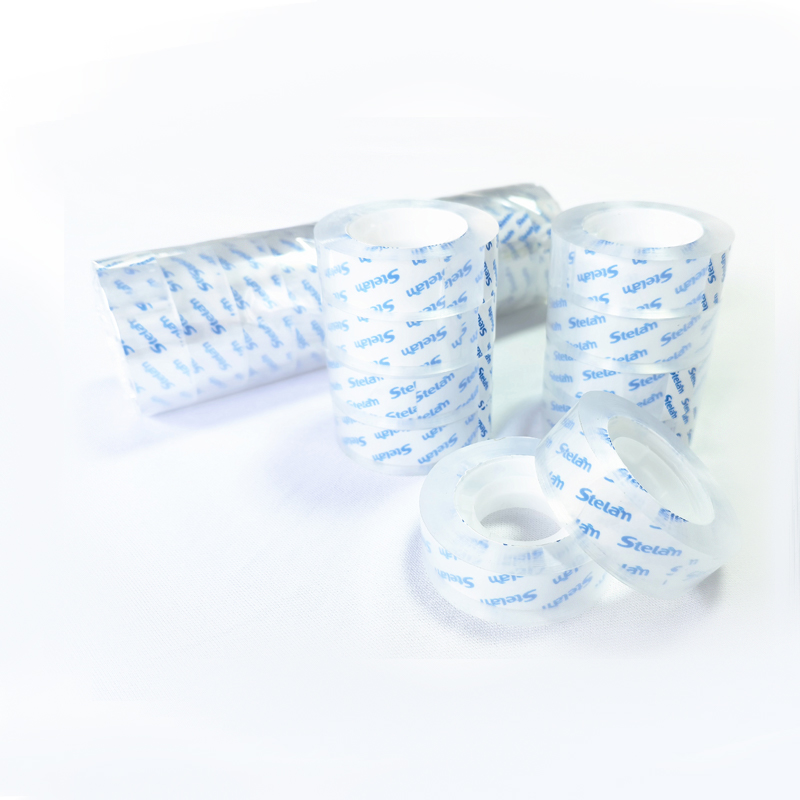
Founded in 2014, Jinhua JBD New Material Technology Co., Ltd. specializes in the production of a wide range of adhesive products, including BOPP packing tape, stationery tape, masking tape, duct tape, double-sided tape, kraft paper tape, polyimide (Kapton) tape, automotive foam tape, and new energy lithium battery tape.
In 2020, the company invested RMB 5 million in equipment renovation and upgrading, warehouse expansion and construction, as well as office and management system optimization, resulting in more rigorous product quality control. We currently operate 9 advanced production lines, with an annual output value of RMB 100–150 million.
Through over a decade of dedicated R&D and market practice, we have built and refined an efficient corporate development system featuring standardized specifications, centralized production, regional warehousing, terminal-oriented service, collaborative development, and pragmatic execution. After years of diligent effort and steady growth, we have established a competent and efficient management and operations team, a professional after-sales delivery and service team, and a sound corporate development system. By scientifically integrating resources and upholding a meticulous craftsmanship spirit, we continue to grow steadily, ensuring sustainable development and providing quality products and services to a growing number of customers.
Our company adheres to the principle of "Quality as Our Priority, Integrity as Our Foundation" and the development philosophy of "Pursuing Win-Win." We look forward to working with domestic and international customers to achieve shared growth and create a better future together.
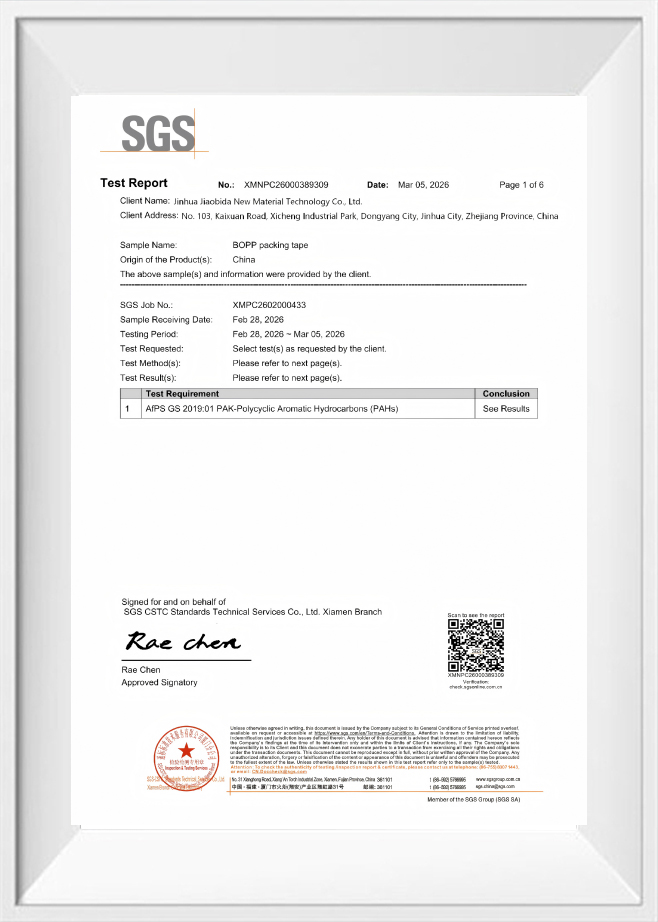
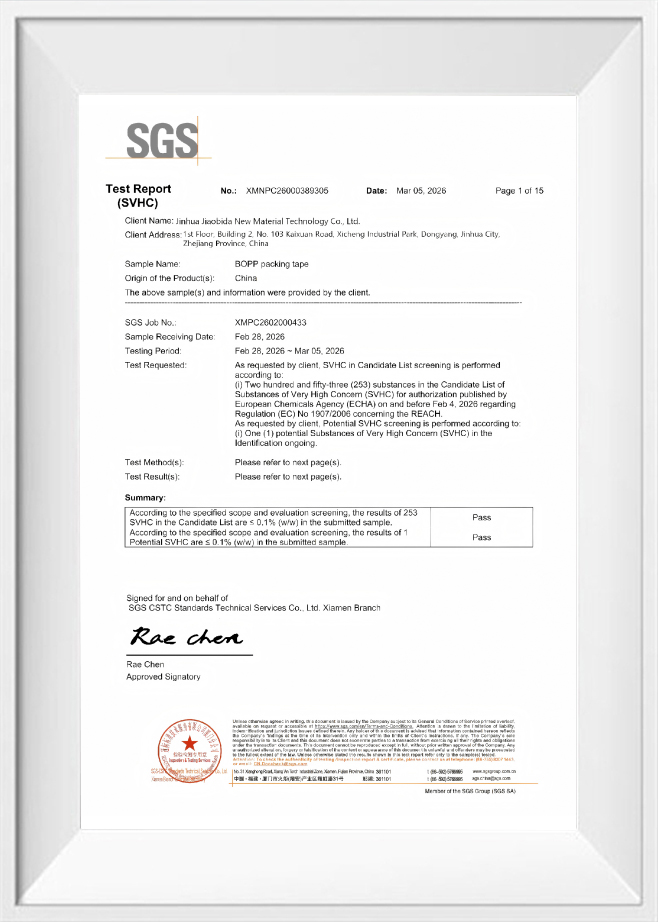
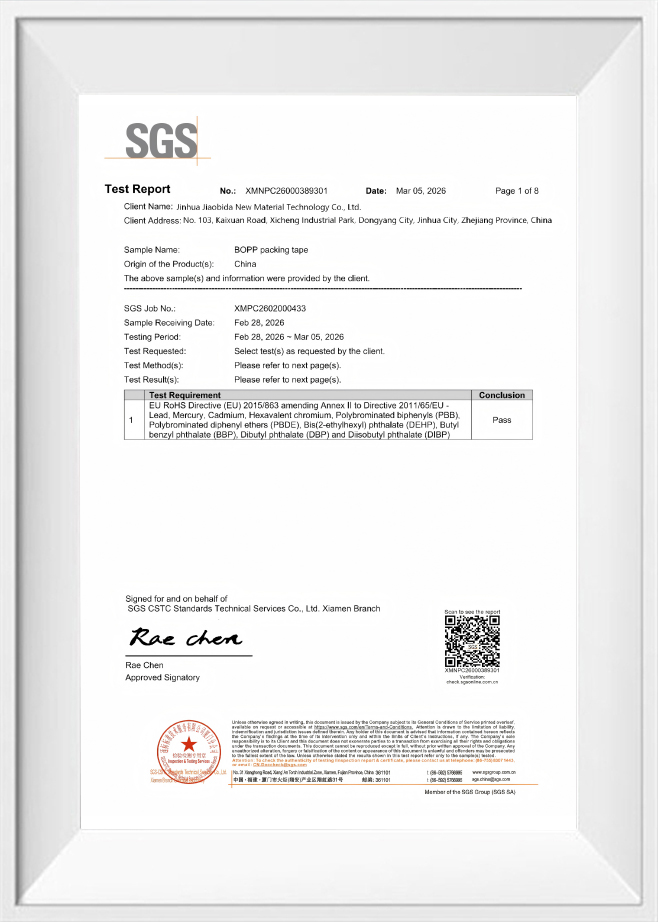
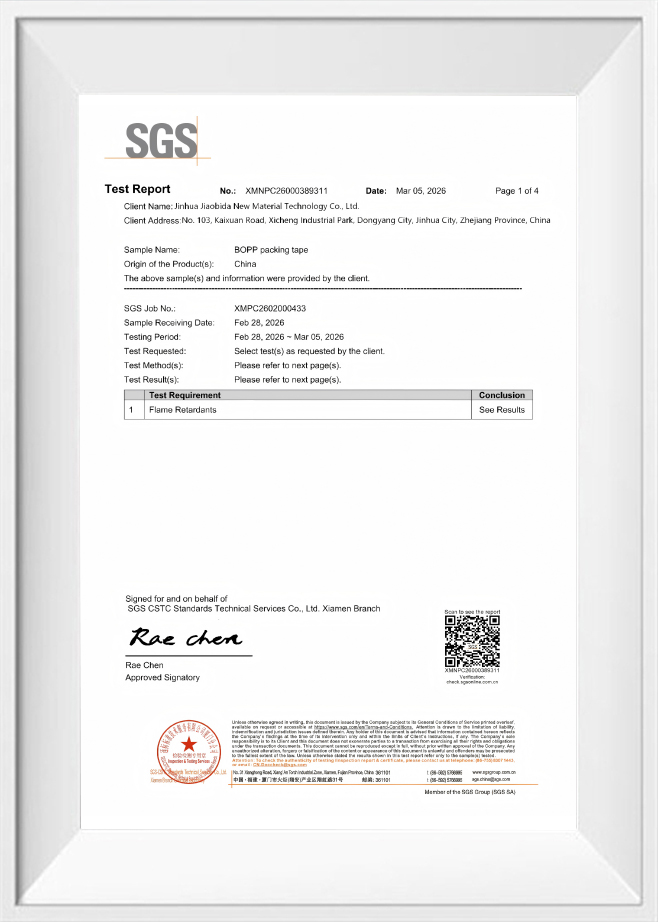
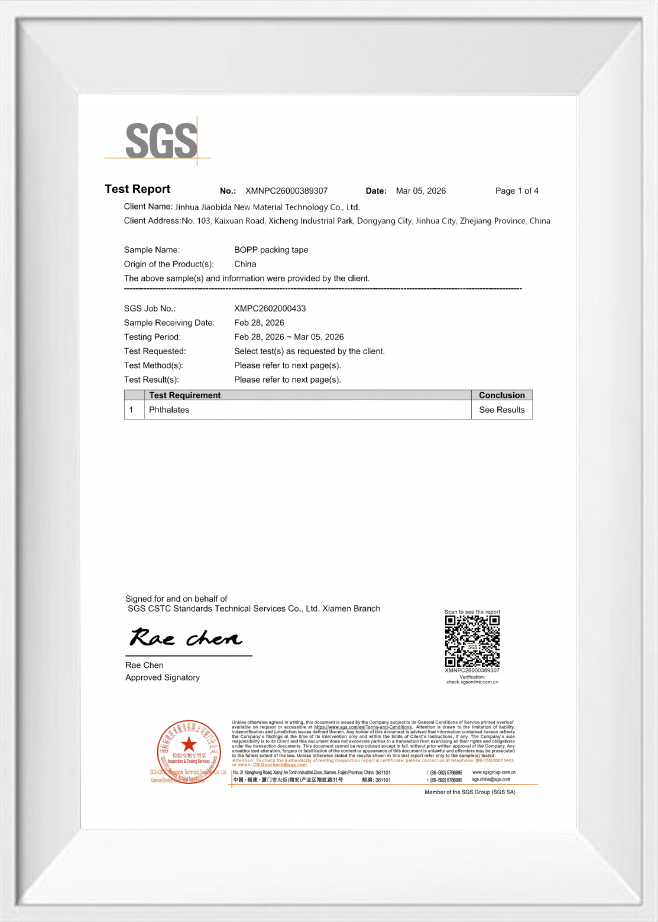
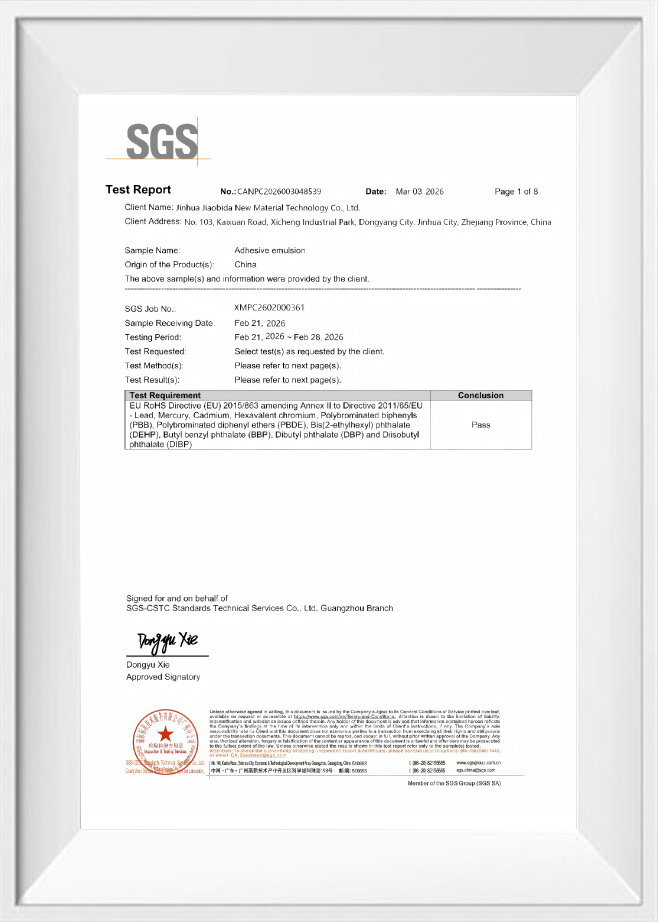
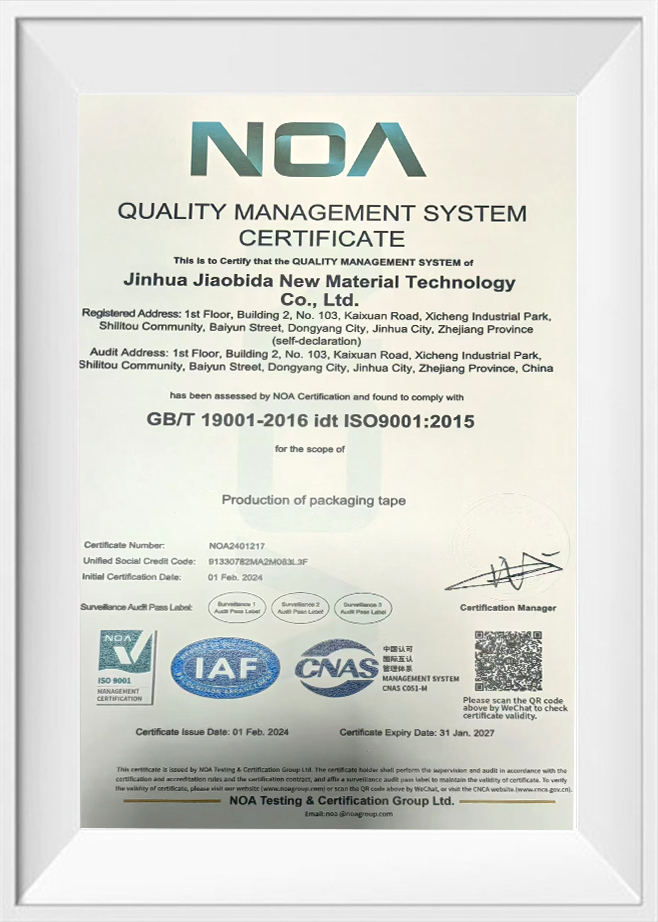





 +86-13306898646
  No. 103, Kaixuan Road, Xicheng Industrial Zone, Dongyang, Jinhua, Zhejiang, China