
 en
en  English
 日本語
日本語 Español


Warning Tape
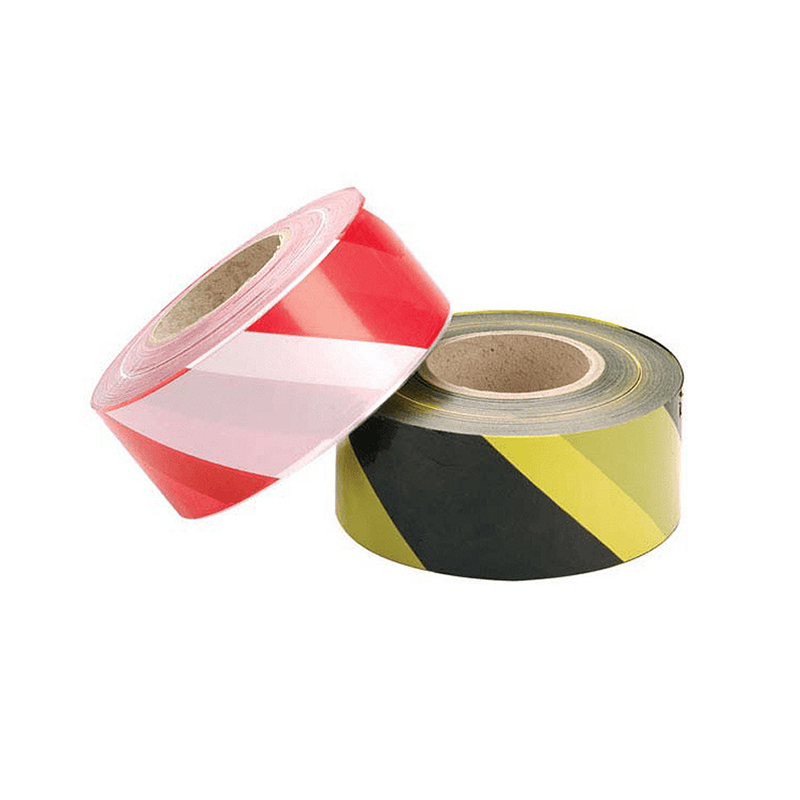
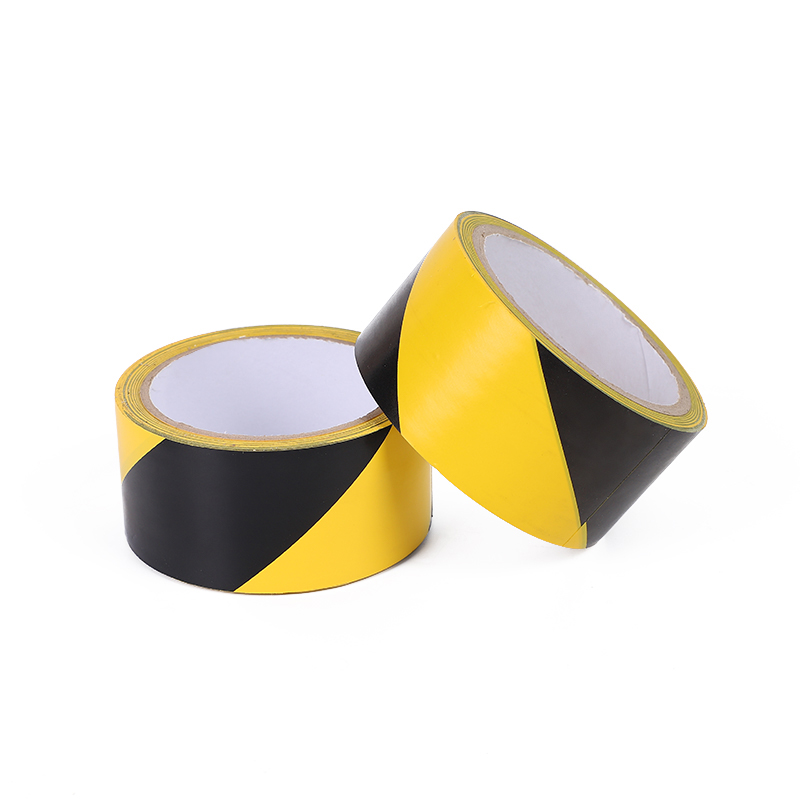


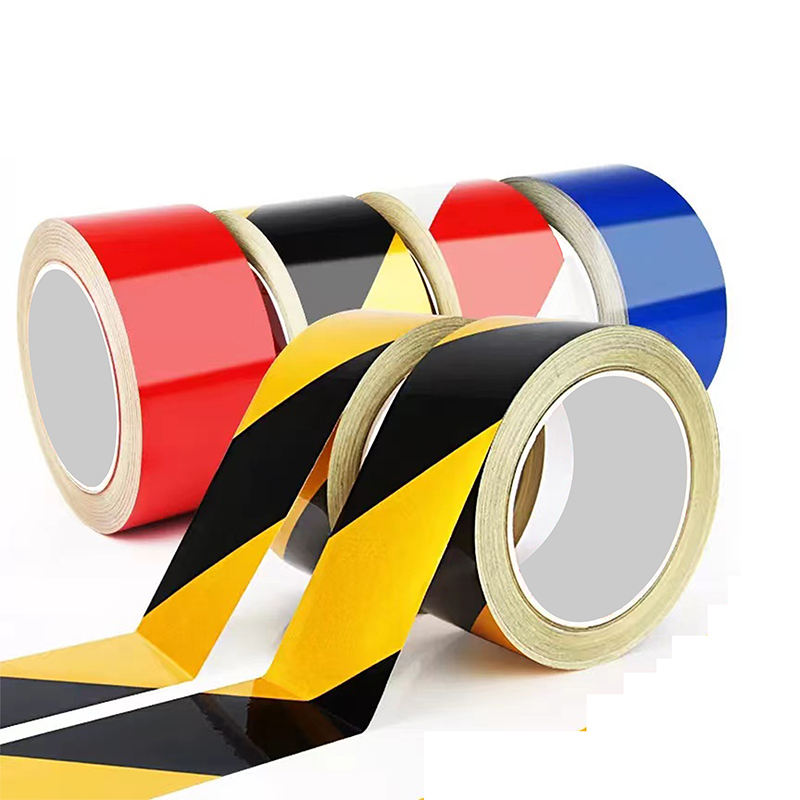
Warning tapes can be categorized by material into PE warning tape (typically non-adhesive), PVC warning tape, and reflective (lattice-pattern) warning tape.
Reflective warning tape is predominantly used for traffic signage and markings—such as on truck bodies, anti-collision bollards, traffic barriers, traffic cones, construction vehicles, underground garage columns, speed bumps, and similar applications.
PE warning tape varies in thickness from 30µm to 70µm. Non-adhesive PE warning tape (also known as disposable warning tape, police tape, or barrier tape) is adhesive-free, stretchable, and reusable. Its primary function is to quickly cordon off, isolate, provide warnings, or prohibit entry; it is not designed for permanent adhesion or fixation.
Core Application Scenarios:
Construction/Engineering Sites: Cordoning off hazardous zones at construction sites, excavation pits, pipeline projects, and emergency repair locations; prohibiting proximity during power, gas, and water/sewage utility work. Road Maintenance & Municipal Operations: Temporary isolation during road repairs and municipal projects. Emergency & Safety Alerting: Site lockdown during fires, accidents, or sudden incidents; temporary cordoning by fire departments, security personnel, and property management. Facility Maintenance: Safety isolation during power outages or equipment servicing; isolation and warning for wet floors during cleaning or elevator maintenance in commercial properties, shopping malls, and hotels. Events & Crowd Control: Zoning for queues and crowd flow management at event venues; temporary closure of stairwells or passageways to prohibit access. Traffic & Parking: Temporary road closures and accident zone isolation; temporary traffic control in parking lots and garages; on-site warning enclosures for traffic police and road administration authorities. Factories & Warehouses: Safety isolation during equipment maintenance; prohibiting entry into hazardous zones; marking boundaries for temporary operations or material storage areas. Events, Exhibitions & Schools: Crowd control and order maintenance at concerts, sporting events, and trade shows; zoning of school grounds, playgrounds, and examination areas. Public Health & Crowd Management: Implementing one-meter line social distancing barriers during public health crises or for crowd channeling. Primarily used in municipal construction, temporary safety cordoning, and similar applications.
PVC warning tape is a safety marking material manufactured using PVC as the primary substrate, coated with a pressure-sensitive adhesive. It is used for zone demarcation and hazard warning on floors, walls, and equipment. Key features include eye-catching colors, ease of application, and resistance to abrasion and weathering.
Primary Uses:
1. Industrial Warehousing: Marking forklift lanes, shelving zones, and designated storage areas for hazardous materials. 2. Construction Sites: Edge protection, excavation pit warnings, and segregation of material storage areas.
3. Public Venues: Evacuation routes, queue guidance, and elevator entrance warnings in hospitals, shopping malls, and transportation hubs.
4. Roadways & Emergency Response: Road construction enclosures, accident scene cordoning, and temporary traffic diversion.
PE Warning Tape & PVC Floor Marking Tape: Featuring a striking two-tone striped design, these tapes offer strong visual impact and high visibility. They support custom printing for enhanced recognition and are widely used for warning purposes at accident scenes or within hazardous zones.
PER & PE Series: Suitable for zone demarcation and protective segregation at construction sites.
PM & PMD Series: Widely used for lane marking, color-coding, and hazard warning signage.
Reflective Tape: Extensively used for road traffic signs and industrial safety signage.
Photoluminescent Tape: Primarily used for fire safety and marine safety signage, as well as various general guidance and marking applications. Typically, just 15 minutes of light absorption allows the tape to emit a continuous glow for up to 10 hours.
About
Jinhua JBD New Material Technology Co., Ltd.
Founded in 2014, Jinhua JBD New Material Technology Co., Ltd. specializes in the production of a wide range of adhesive products, including BOPP packing tape, stationery tape, masking tape, duct tape, double-sided tape, kraft paper tape, polyimide (Kapton) tape, automotive foam tape, and new energy lithium battery tape.
In 2020, the company invested RMB 5 million in equipment renovation and upgrading, warehouse expansion and construction, as well as office and management system optimization, resulting in more rigorous product quality control. We currently operate 9 advanced production lines, with an annual output value of RMB 100–150 million.
Through over a decade of dedicated R&D and market practice, we have built and refined an efficient corporate development system featuring standardized specifications, centralized production, regional warehousing, terminal-oriented service, collaborative development, and pragmatic execution. After years of diligent effort and steady growth, we have established a competent and efficient management and operations team, a professional after-sales delivery and service team, and a sound corporate development system. By scientifically integrating resources and upholding a meticulous craftsmanship spirit, we continue to grow steadily, ensuring sustainable development and providing quality products and services to a growing number of customers.
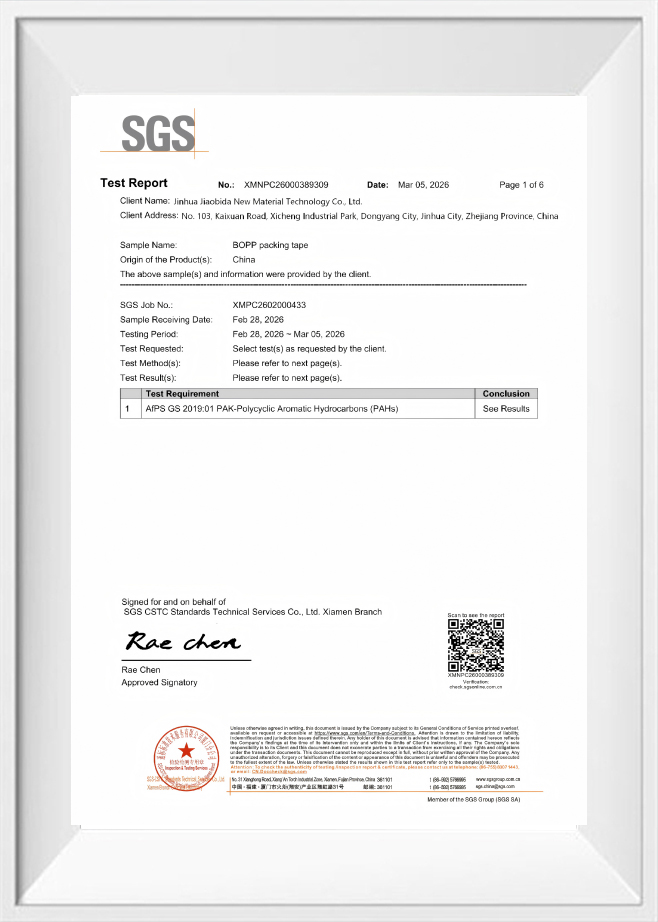
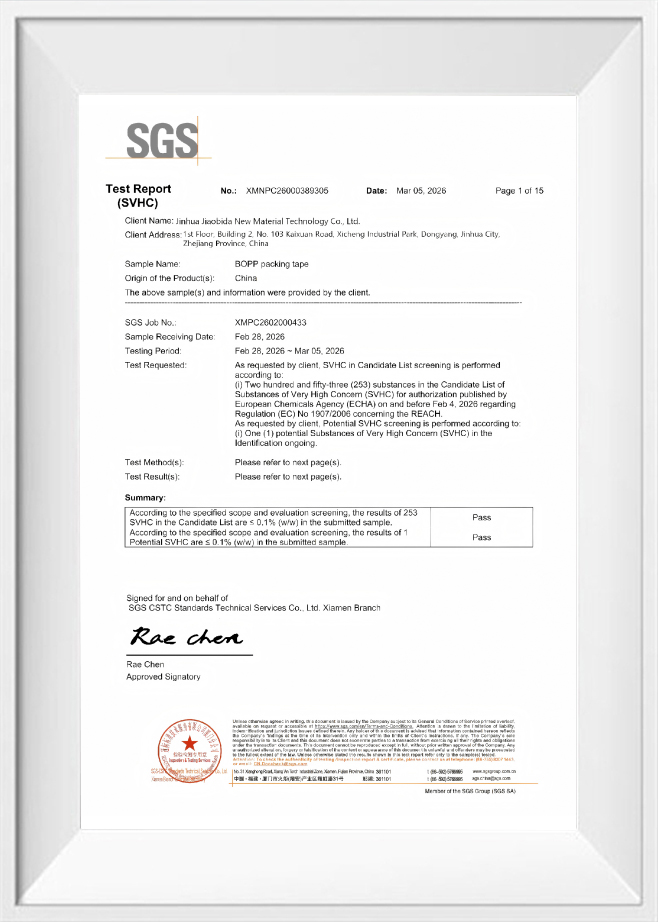
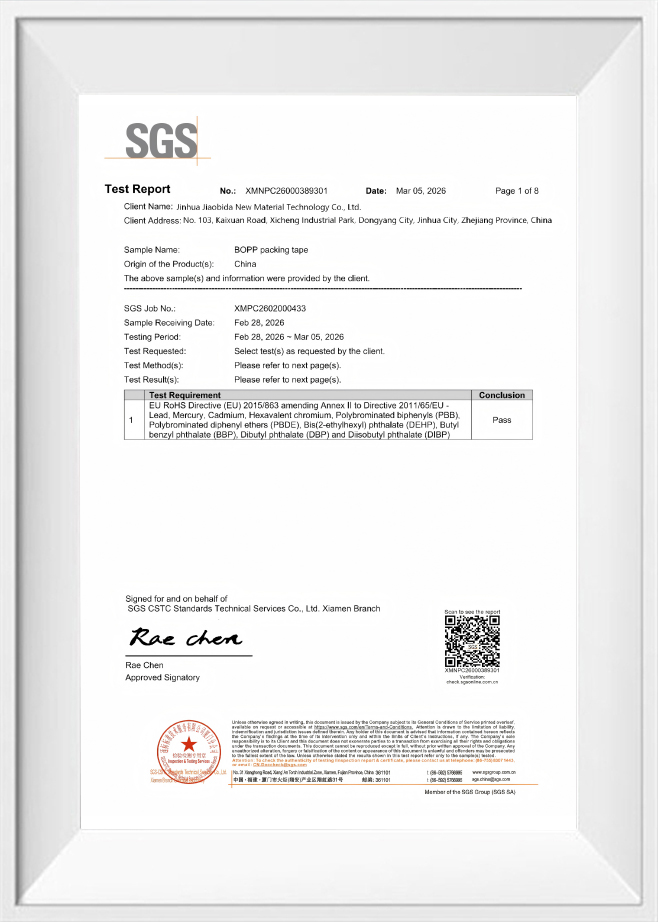
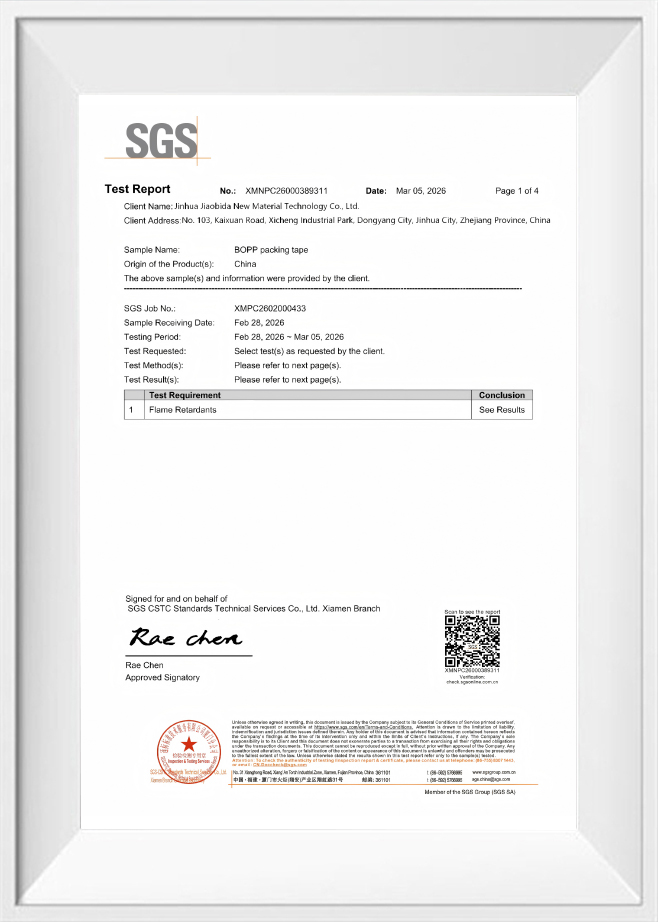
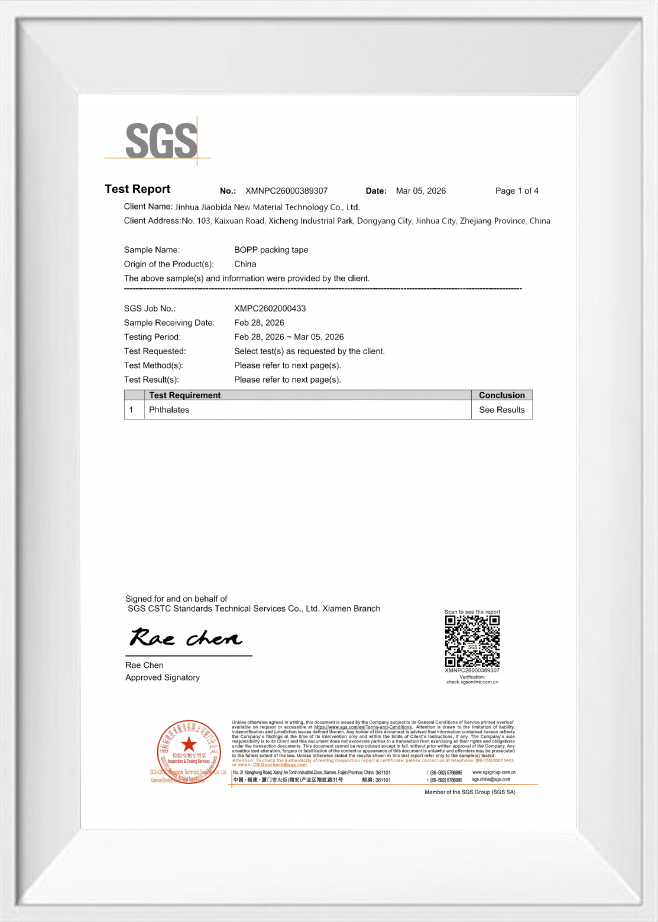
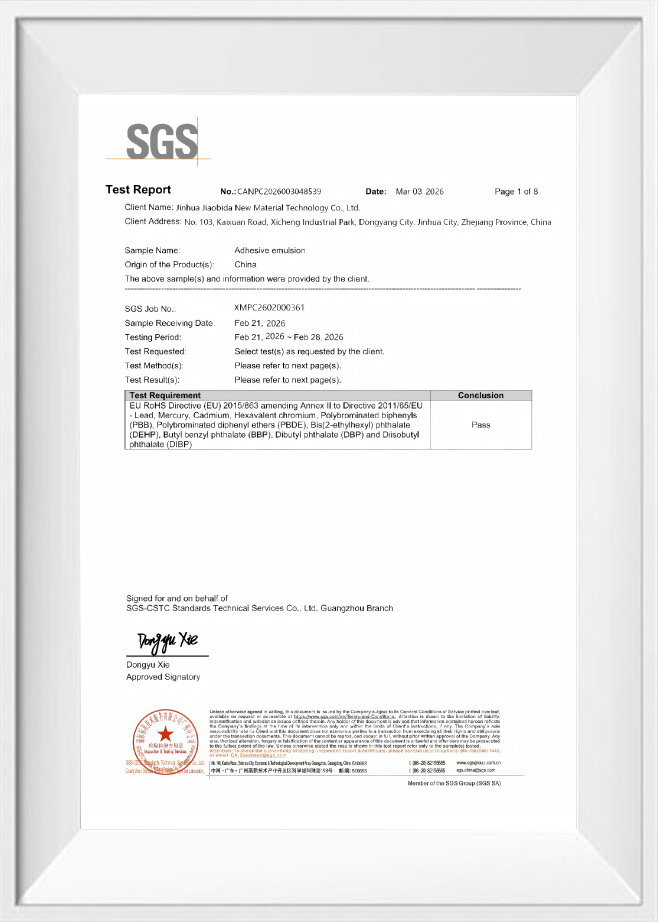
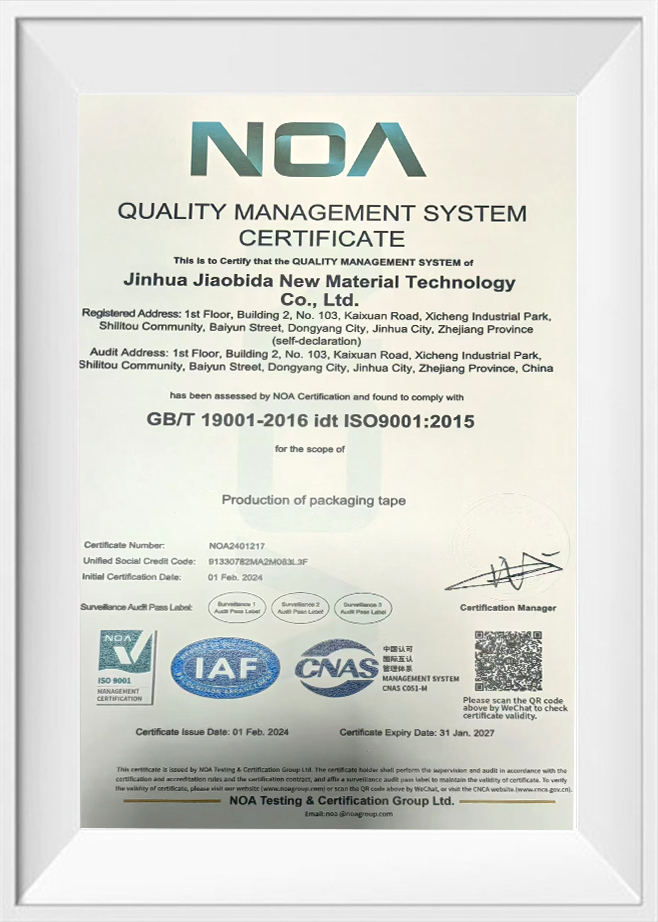
Certificate Of Honor
News
-
Washi tape is widely used for drawing, scrapbooking, journaling, paper decoration, and creative masking. However, a roll that performs well on smooth notebook paper may b...
READ MORE -
Temporary carpet installation is common at exhibitions, trade shows, hotels, offices, renovation sites, and event venues. However, the same tape may behave differently on...
READ MORE -
Approving a safety tape order based on a single sample roll may seem straightforward, but appearance alone cannot confirm whether the entire shipment will meet project re...
READ MORE
Message Feedback
We’re a reliable partner that shapes our expertise into success for your Project.
Contact Us

Our company adheres to the principle of "Quality as Our Priority, Integrity as Our Foundation" and the development philosophy of "Pursuing Win-Win." We look forward to working with domestic and international customers to achieve shared growth and create a better future together.



Products
Keep in Touch

 +86-13306898646
 No. 103, Kaixuan Road, Xicheng Industrial Zone, Dongyang, Jinhua, Zhejiang, China
Copyright © Jinhua JBD New Material Technology Co., Ltd. All rights reserved.
