
 en
en  English
 日本語
日本語 Español

Washi tape is widely used for drawing, scrapbooking, journaling, paper decoration, and creative masking. However, a roll that performs well on smooth notebook paper may b...
READ MORE
PE Stretch Film
information to be updated
I. Product Overview
Stretch film is a packaging film primarily made of LLDPE (linear low-density polyethylene) (often blended with LDPE/mLLDPE), manufactured through casting (cast, main material) or blow molding processes. It possesses high elongation, strong retraction, and interlayer self-adhesion. No additional adhesive is required; after stretching, the retraction force tightly wraps the goods, forming a unitized whole. The structure is a single-layer/multi-layer co-extruded film with a slightly adhesive surface (addition of micro-wax/corona treatment), supplied in rolls with paper/plastic cores.
Stretch wrap film: Excellent puncture and tear resistance. Good shrink-to-original size for an extremely tight fit.
PT01: For hand application.
PT02: For machine application.
II. Mainstream Classifications and Specifications
1. By Application
Hand application film: Lightweight (2–5kg/roll), 45/50cm wide, suitable for small batches/irregularly shaped parts; stretch ratio 300%
Machine application film: Heavy-duty (10–18kg), high tensile and puncture resistance, suitable for fully automated lines; stretch 400–500%
Pre-stretched film: Machine pre-stretched 200–300%, saving 30–50% of material, environmentally friendly and efficient, preferred for logistics.
2. By Process/Function
Cast film: Uniform thickness, high transparency, good pre-stretchability;
Blown film: Strong puncture resistance, cold resistance.
Colored/light-blocking film (black/blue), anti-static film, food-grade film.
Common Specifications: Thickness 12/15/18/20/25μm; Width 50cm (standard), customizable; Length 400–1500m; Core diameter 76mm (industrial standard).
III. Core Performance Indicators: Elongation ratio (300–500%, higher for machine applications), shrinkage rate, self-adhesion (interlayer peel force); Puncture/tear resistance, temperature range (-20℃ to +40℃, standard), weather resistance; Haze/transparency, basis weight, environmental friendliness (RoHS, REACH, food-grade compliance).
IV. Typical Application Scenarios: Logistics and warehousing: Palletized cargo packaging, container pallet securing, dustproof, moisture-proof, and anti-shifting; Industrial manufacturing: Bundled packaging of building materials, home appliances, metal parts, and cables; E-commerce/Food: Wrapping of turnover boxes, outer protection for fresh produce, and reinforcement of beverage stacks; Export shipping: Reinforced versions with salt spray resistance and UV resistance.
V. Production, Selection, and Construction Key Points
Process Selection: Cast film is suitable for high-speed pre-stretching and high transparency; blown film is suitable for outdoor/low-temperature environments.
Selection Considerations: Cargo weight/edge sharpness → film thickness; Packaging efficiency → hand/machine/pre-stretching;
Construction: Ensure uniform stretching tension to avoid localized over-stretching and film breakage; wrap 3-5 layers, with more wrapping at the bottom/top;
Storage: Store in a cool, dry place below 25℃, away from light and heat sources; shelf life is 12 months; PE film is recyclable, with biodegradable formulations preferred.
VI. Cost and Substitution Advantages
Compared to cardboard boxes, packing straps, and heat shrink film, stretch film packaging is cheaper (approximately half the cost of cardboard boxes), more efficient, requires less material, and is easier to unpack; pre-stretching technology can further reduce material usage by 30%+.
About
Jinhua JBD New Material Technology Co., Ltd.
Founded in 2014, Jinhua JBD New Material Technology Co., Ltd. specializes in the production of a wide range of adhesive products, including BOPP packing tape, stationery tape, masking tape, duct tape, double-sided tape, kraft paper tape, polyimide (Kapton) tape, automotive foam tape, and new energy lithium battery tape.
In 2020, the company invested RMB 5 million in equipment renovation and upgrading, warehouse expansion and construction, as well as office and management system optimization, resulting in more rigorous product quality control. We currently operate 9 advanced production lines, with an annual output value of RMB 100–150 million.
Through over a decade of dedicated R&D and market practice, we have built and refined an efficient corporate development system featuring standardized specifications, centralized production, regional warehousing, terminal-oriented service, collaborative development, and pragmatic execution. After years of diligent effort and steady growth, we have established a competent and efficient management and operations team, a professional after-sales delivery and service team, and a sound corporate development system. By scientifically integrating resources and upholding a meticulous craftsmanship spirit, we continue to grow steadily, ensuring sustainable development and providing quality products and services to a growing number of customers.
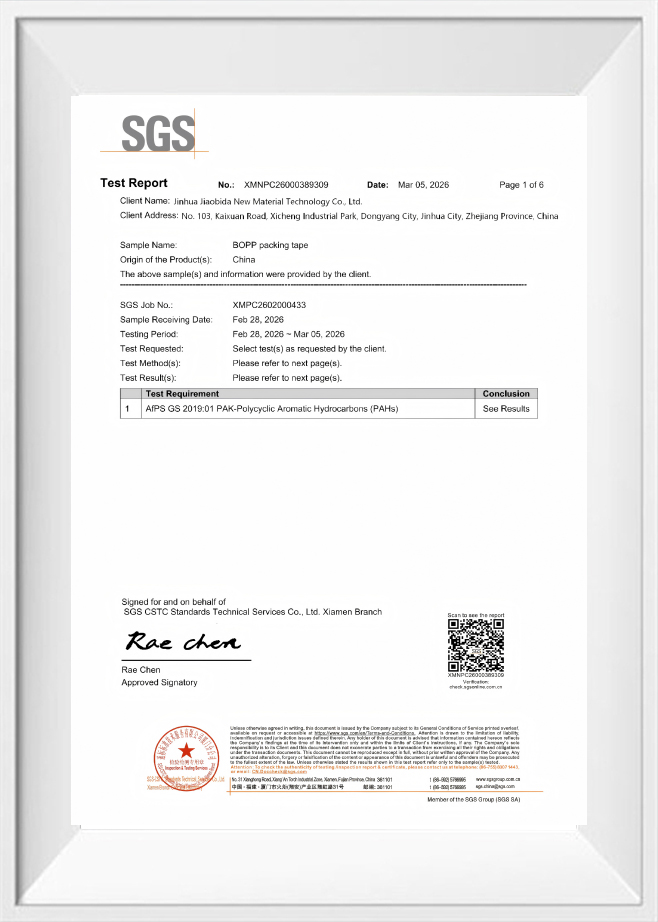
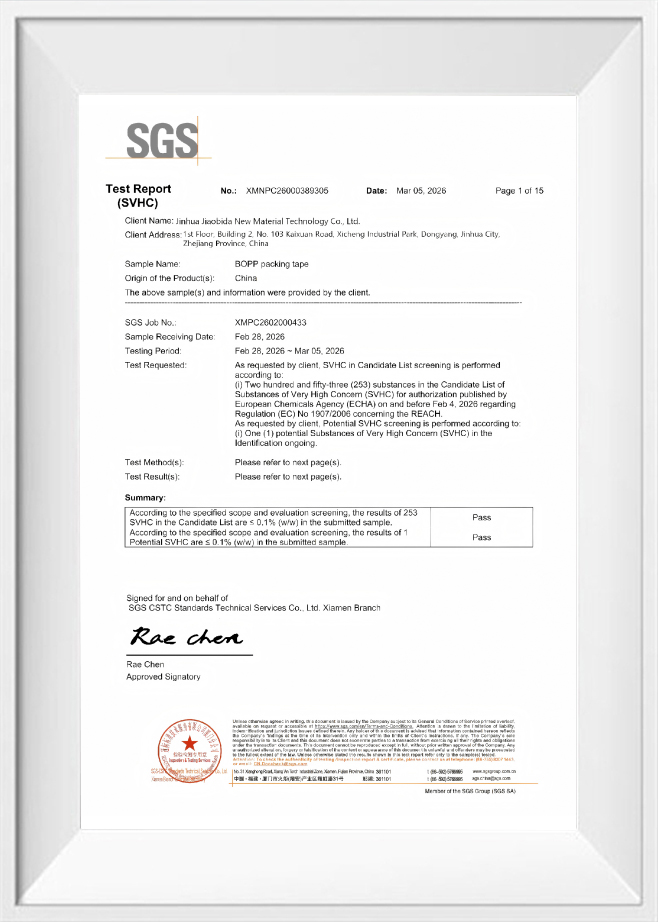
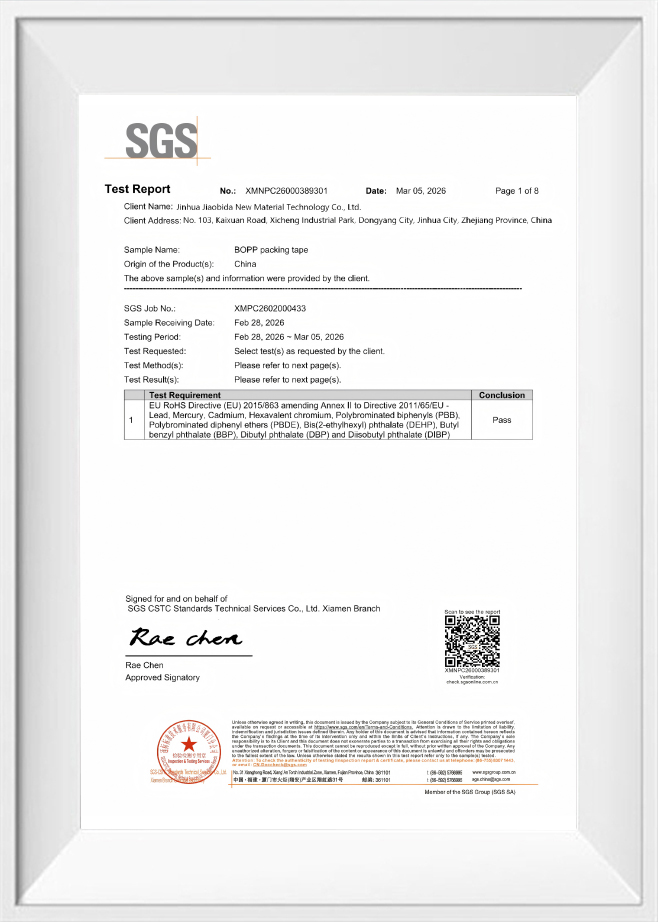
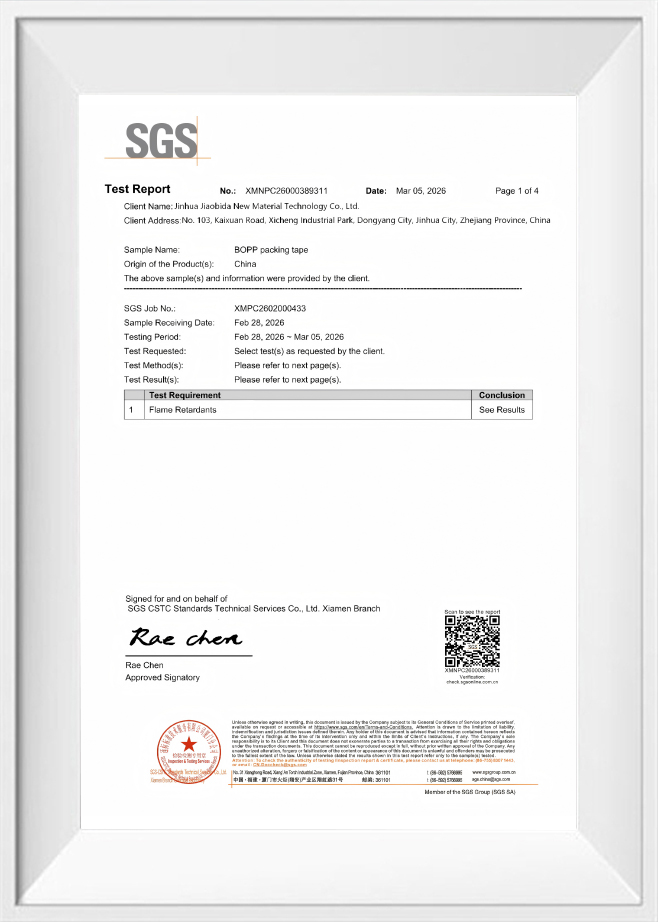
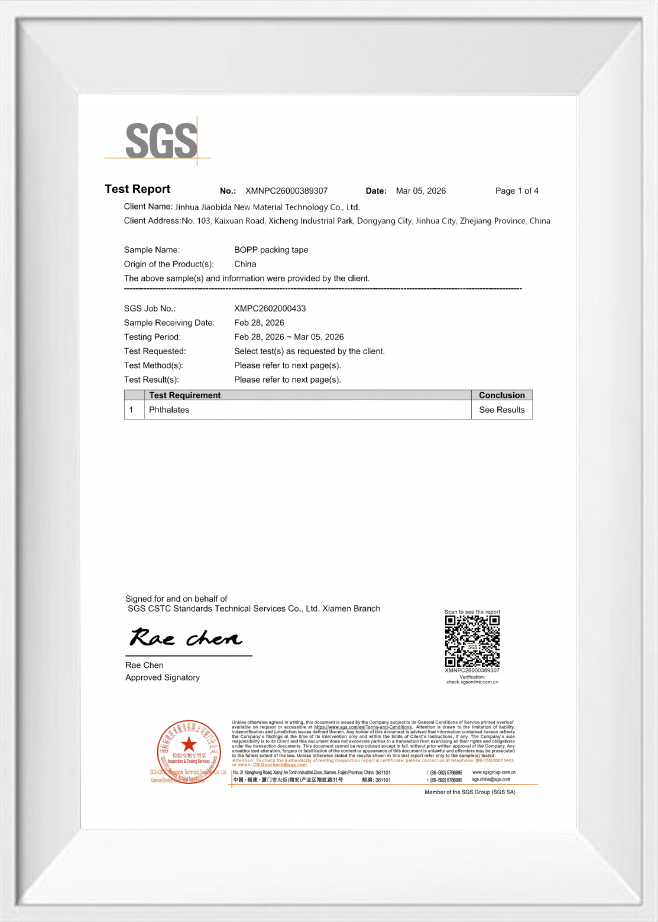
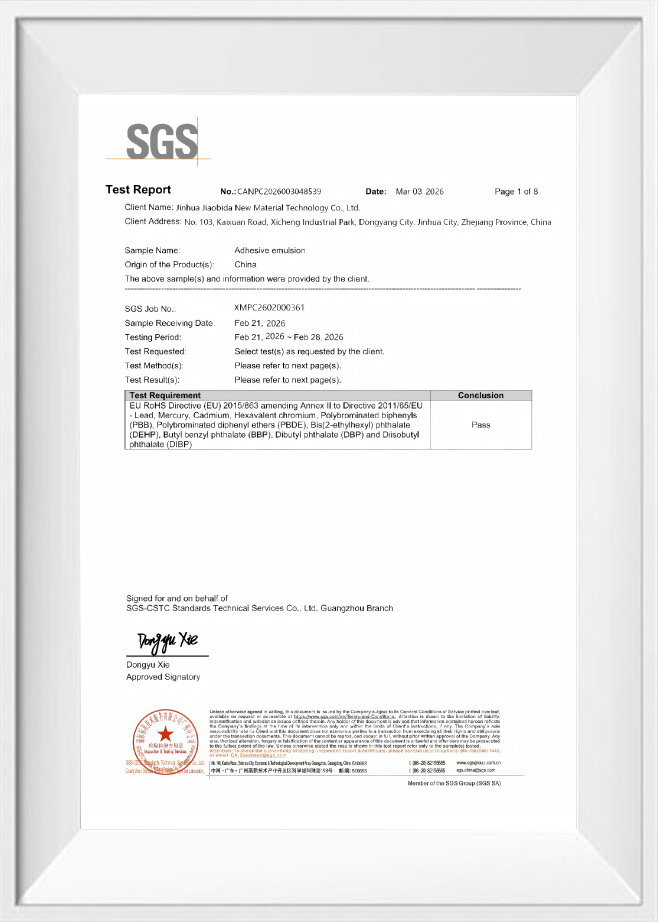
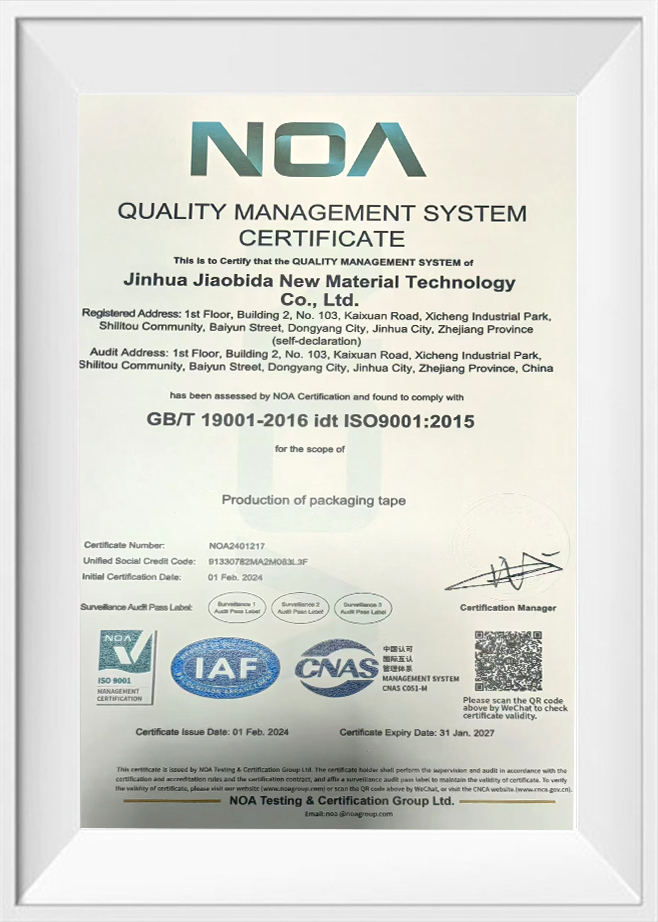
Certificate Of Honor
News
-
-
Temporary carpet installation is common at exhibitions, trade shows, hotels, offices, renovation sites, and event venues. However, the same tape may behave differently on...
READ MORE -
Approving a safety tape order based on a single sample roll may seem straightforward, but appearance alone cannot confirm whether the entire shipment will meet project re...
READ MORE
Message Feedback
We’re a reliable partner that shapes our expertise into success for your Project.
Contact Us

Our company adheres to the principle of "Quality as Our Priority, Integrity as Our Foundation" and the development philosophy of "Pursuing Win-Win." We look forward to working with domestic and international customers to achieve shared growth and create a better future together.



Products
Keep in Touch

 +86-13306898646
 No. 103, Kaixuan Road, Xicheng Industrial Zone, Dongyang, Jinhua, Zhejiang, China
Copyright © Jinhua JBD New Material Technology Co., Ltd. All rights reserved.
