
 en
 English
 日本語
 Español



Can Washi Tape Samples Predict Performance Across Different Paper Types
 2026.10.23
Washi tape is widely used for drawing, scrapbooking, journaling, paper decoration, and creative masking. However, a roll that performs well on smooth notebook paper may behave differently on watercolor paper, recycled sheets, or textured cardstock. Adhesion, paper fibers, surface coatings, and removal technique all influence the result.
At Jiaobida, we understand that stationery distributors, art supply retailers, and craft product buyers need reliable information before approving bulk orders. Our Easy tear washi tape for art drawing is relevant to applications that require convenient handling and decorative paper tape. Sample testing helps buyers evaluate product suitability, but a single test cannot represent every paper type or working condition.

1. Why Does Paper Type Change Washi Tape Performance?
Paper surfaces differ in texture, absorbency, fiber structure, and coating. These differences affect how tape contacts the surface and how the paper responds during removal.
- Smooth notebook paper: Its relatively even surface may provide consistent contact, although thin sheets can wrinkle or tear during removal.
- Watercolor paper: Textured surfaces may create small gaps beneath the tape, allowing paint to seep under the edges.
- Coated paper: A smooth coating can affect adhesion, and the coating itself may be vulnerable to lifting during removal.
- Recycled paper: Surface irregularities and loose fibers can influence bonding and the appearance of the paper after peeling.
- Heavy cardstock: Its greater stiffness may support decorative applications, but textured finishes and printed coatings still require compatibility checks.
These differences explain why sample approval should involve the actual materials used by the buyer rather than a single standard sheet.
2. Which Performance Details Should Buyers Examine?
Product appearance is important for craft applications, but purchasing decisions should also consider functional characteristics. Jiaobida recommends evaluating several factors during sample review.
- Hand tearability: Check whether the tape tears cleanly across its width without excessive fraying or stretching.
- Adhesion: Observe whether the tape stays in place during drawing, decorating, or temporary masking.
- Edge contact: Examine whether the edges lift on textured or uneven paper.
- Removal behavior: Check for paper fiber lifting, surface damage, or adhesive residue after peeling.
- Print and color quality: Review pattern clarity, color consistency, and appearance across the roll.
Adhesion should not be judged independently of removability. Tape that holds firmly during use may also damage delicate paper during removal. Buyers should define the required balance according to the intended application.
3. How Can Buyers Conduct a Useful Sample Test?
A simple, repeatable testing procedure can help procurement teams compare samples and document their observations. The test should use representative paper grades and the same application method for each candidate.
Suggested sample testing procedure
- Prepare samples of the paper types commonly used by the target customers.
- Apply equal lengths of tape using consistent hand pressure.
- Record the application date and leave the tape attached for the intended working period.
- Check edge lifting, movement, and adhesion before removal.
- Peel the tape back slowly at a consistent angle and inspect the paper surface.
- Record any residue, torn fibers, coating damage, or paint seepage.
Artists using tape for watercolor masking should also test it with their intended paint and drying process. A dry-paper test alone cannot predict how the tape will behave after exposure to moisture.
4. Can One Approved Sample Represent a Bulk Order?
A sample provides useful evidence about a particular roll, but it does not automatically confirm consistency across an entire production batch. Buyers should agree on the product specification and inspection requirements before authorizing a larger order.
| Evaluation Item | What to Check | Purchasing Purpose |
| Paper backing | Material, thickness, flexibility, and tearability | Confirm the intended handling characteristics |
| Adhesive behavior | Holding performance and removal results on target papers | Assess surface compatibility |
| Appearance | Color, pattern alignment, and printing defects | Confirm visual consistency |
| Roll dimensions | Width, length, and agreed tolerances | Verify order specifications |
| Production inspection | Sampled rolls and documented acceptance criteria | Compare finished goods with the approved reference |
For repeat purchases, keeping an approved reference sample and a written specification can help both parties evaluate later batches against the same requirements.
5. Questions to Ask a Washi Tape Supplier
Before placing a bulk order, art supply buyers and stationery distributors should clarify the details that affect product suitability and commercial planning.
- Which backing and adhesive specifications apply to the requested tape?
- Are sample rolls available for testing on the buyer's own paper materials?
- Can the supplier confirm roll width, length, thickness, and packaging details?
- What options are available for printed patterns, colors, or custom artwork?
- How are production consistency and visible defects assessed?
Clear answers make quotation comparisons more meaningful. Buyers should request supporting technical data for any specific performance claims rather than relying solely on general product descriptions.
Washi tape samples can help predict performance across different paper types, but their value depends on the quality and scope of the testing process. Smooth paper, textured watercolor sheets, coated surfaces, and recycled paper may produce different adhesion and removal results.
At Jiaobida, we recommend testing samples on representative materials, recording the results, and confirming product specifications before bulk purchasing. This approach helps distributors and art supply businesses assess whether the tape meets their customers' requirements and provides a consistent reference for future orders. Contact Jiaobida through our website to discuss washi tape specifications, sample evaluation, and customization options for your market.
-
-
Strong Double Sided Adhesive Tape for Artist Crafts Card Making
-
-
Waterproof Shipping Carton BOPP Adhesive Packing Printing Tape
-
-
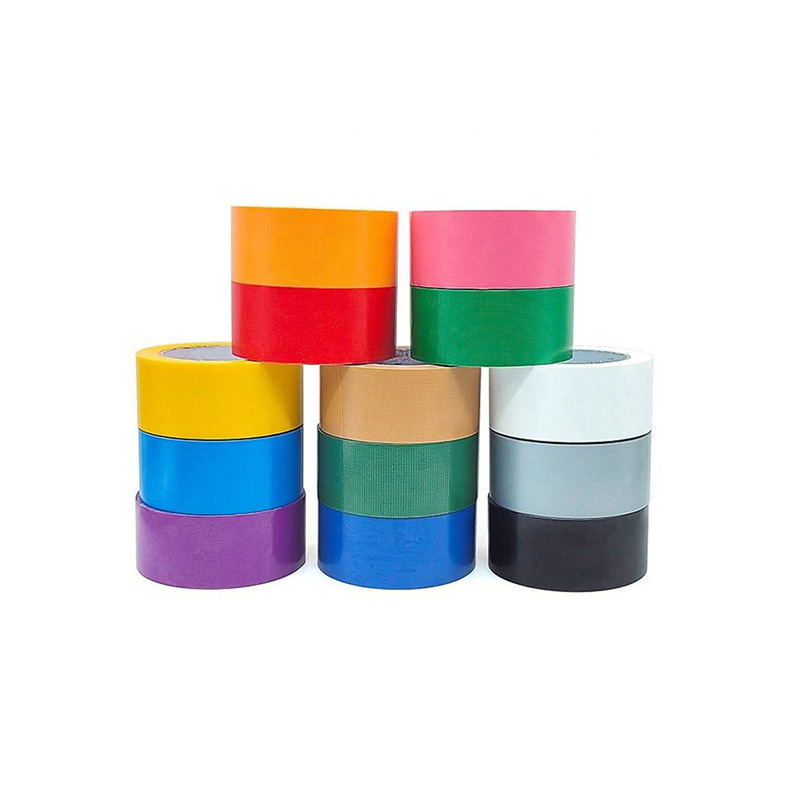
70 Mesh Colorful Waterproof Glossy Adhesive Fabric Cloth Duct Tape
-
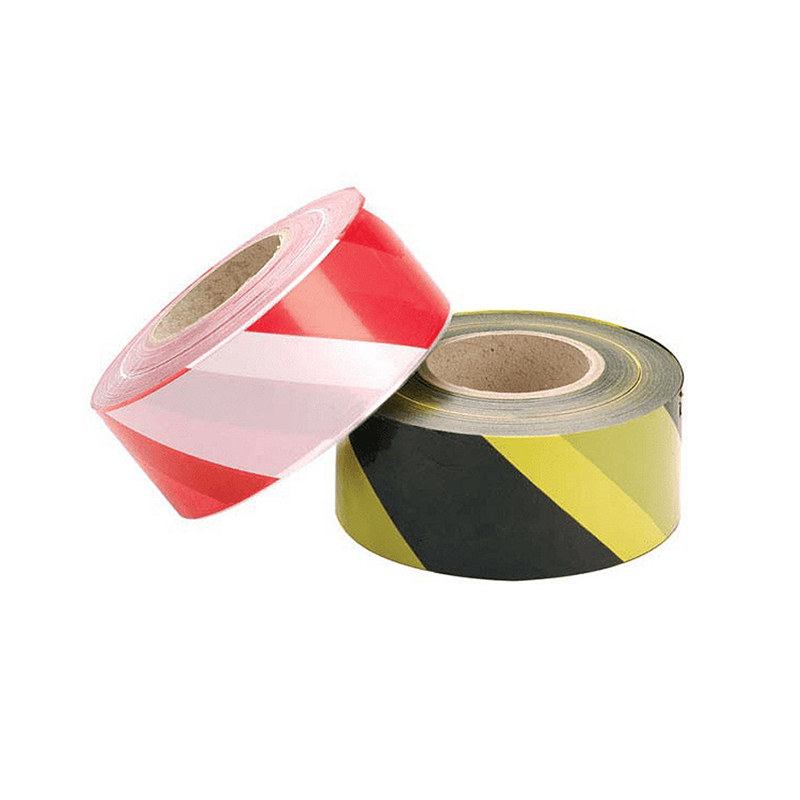
Yellow PE Warning Tape Decorative Tape Safety Marker Indicator Tape
-
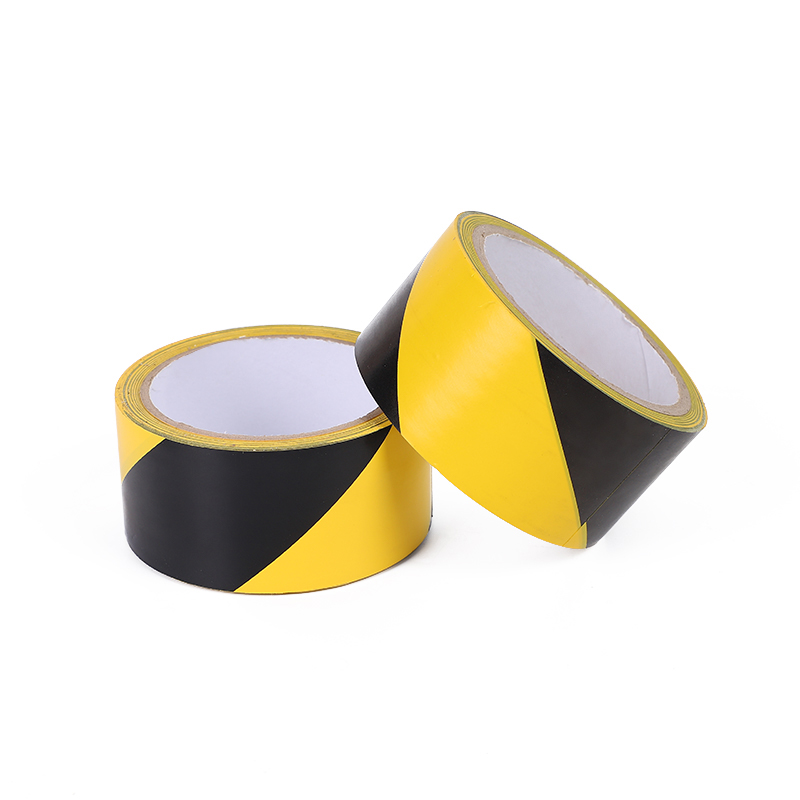
Black & Yellow High-Visibility PVC Adhesive Floor Marking Warning Tape
-
Colorful Flame Retardant PVC Bondage Adhesive Electrical Insulation Tape Raw Material
-
-
-




 +86-13306898646
 No. 103, Kaixuan Road, Xicheng Industrial Zone, Dongyang, Jinhua, Zhejiang, China
