
 en
en  English
 日本語
日本語 Español


Stationery Tape
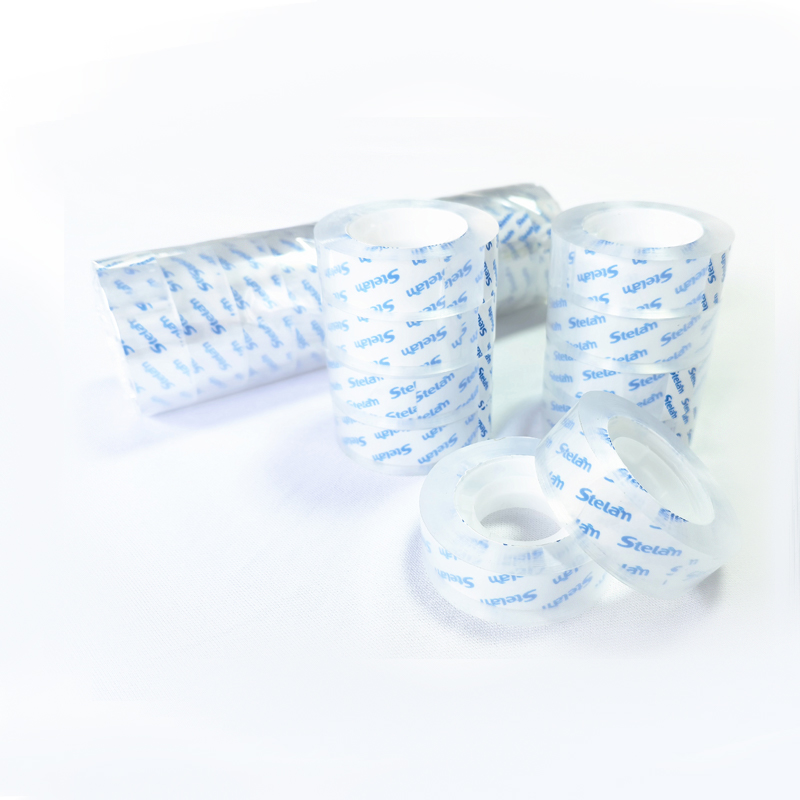
Stationery tape is a lightweight, pressure-sensitive adhesive tape designed for office, student, and crafting environments. It utilizes a BOPP film substrate (with a few specialized variants using paper or PET) and features a single-sided coating of water-based or oil-based pressure-sensitive adhesive. Typically wound on small plastic or paper cores, it incorporates an easy-tear design. Its key selling points include transparency (or color options), clean removal, easy hand-tearing, and the ability to stay unobtrusive without obscuring underlying text, distinguishing it from heavy-duty industrial packing tapes (as it is narrower, thinner, and features a gentler adhesion).
General Stationery Tape: Available in transparent, slightly yellowish, and crystal-clear varieties, all featuring an easy-tear design. It is suitable for daily sealing, gift wrapping, paper repair and fastening, as well as splicing tasks in office, home, and school settings.
Mainstream Types & Common Specifications:
1. Transparent BOPP Stationery Tape (General Purpose): Available in high-clarity or standard-clarity options; water-based adhesives offer an economical choice, while oil-based adhesives provide stronger holding power. Common widths: 8/12/18 mm; lengths: 25 yards (22.86 m) / 30 yards (27.43 m); temperature resistance: 60–70°C.
2. Colored / Printed Stationery Tape: Ideal for decorating planners/journals and wrapping gifts; available in solid colors, cartoon patterns, and matte finishes.
3. Write-on / Low-Residue Tape: Features a paper surface or matte film finish, making it suitable for labeling and annotations. It leaves no adhesive residue upon removal, thereby protecting the underlying paper.
4. Easy-Tear Narrow Tape (8 mm): Perfect for students correcting homework errors or for precise edge-bonding tasks; requires no scissors.
5. Specialty Stationery Tape (Washi / Masking / Double-Sided Cotton Paper): Used for journal collages, temporary fastening, and masking/creating negative space in artwork.
6. Common Core Sizes: 13 mm and 18 mm plastic cores. Customization options are available for width, length, printed patterns, and adhesive type. Key Performance Indicators
Moderate initial tack; stable holding power; low residue (critical for paper surfaces)
High transparency; low haze; non-yellowing; tears cleanly by hand without snapping
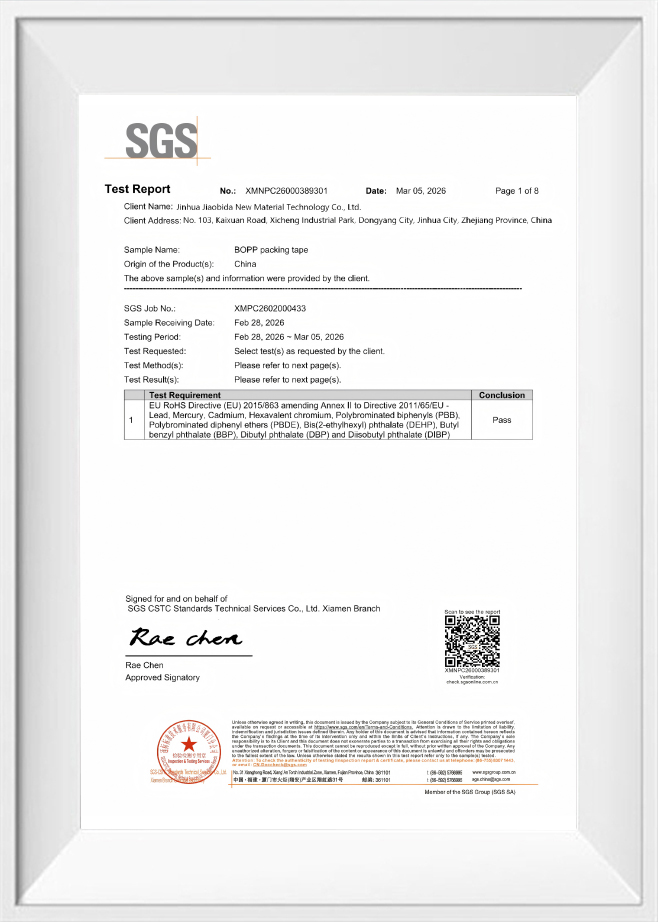
Eco-friendly (RoHS compliant, halogen-free, low VOC); meets safety standards for student supplies
Aging-resistant; does not easily harden or lose adhesion during storage at room temperature
Typical Application Scenarios
Office: Document repair, envelope sealing, file archiving, label affixing
Student Use: Organizing study notes/corrections, arts & crafts projects, notebook binding, and reinforcing test papers
Creative/Home Use: Planner decoration, gift wrapping, creating photo walls, temporary bonding of small objects
Production, Purchasing, & Application Guidelines
Adhesive System Selection: Water-based adhesives offer lower cost and eco-friendliness; solvent-based adhesives provide stronger adhesion and slightly better temperature resistance. For export markets, prioritize low-VOC solvent-based or modified water-based adhesives.
Purchasing Checklist: Check for transparency, ease of hand-tearing, residue levels (test by peeling off after adhering to white paper for 24 hours), and accurate dimensions/length.
Application: Ensure paper surfaces are clean and dry; avoid exposure to high temperatures or direct sunlight; do not pull the tape with excessive force, as this may cause the film to wrinkle.
Storage: Store in a cool, dry place below 25°C; avoid direct sunlight. Shelf life: 12–24 months.
About
Jinhua JBD New Material Technology Co., Ltd.
Founded in 2014, Jinhua JBD New Material Technology Co., Ltd. specializes in the production of a wide range of adhesive products, including BOPP packing tape, stationery tape, masking tape, duct tape, double-sided tape, kraft paper tape, polyimide (Kapton) tape, automotive foam tape, and new energy lithium battery tape.
In 2020, the company invested RMB 5 million in equipment renovation and upgrading, warehouse expansion and construction, as well as office and management system optimization, resulting in more rigorous product quality control. We currently operate 9 advanced production lines, with an annual output value of RMB 100–150 million.
Through over a decade of dedicated R&D and market practice, we have built and refined an efficient corporate development system featuring standardized specifications, centralized production, regional warehousing, terminal-oriented service, collaborative development, and pragmatic execution. After years of diligent effort and steady growth, we have established a competent and efficient management and operations team, a professional after-sales delivery and service team, and a sound corporate development system. By scientifically integrating resources and upholding a meticulous craftsmanship spirit, we continue to grow steadily, ensuring sustainable development and providing quality products and services to a growing number of customers.
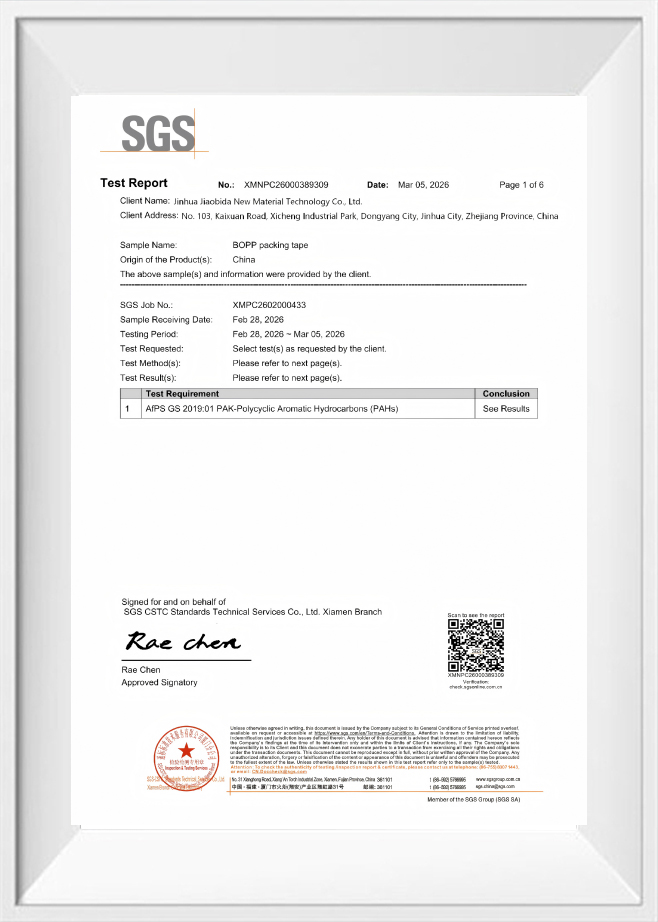
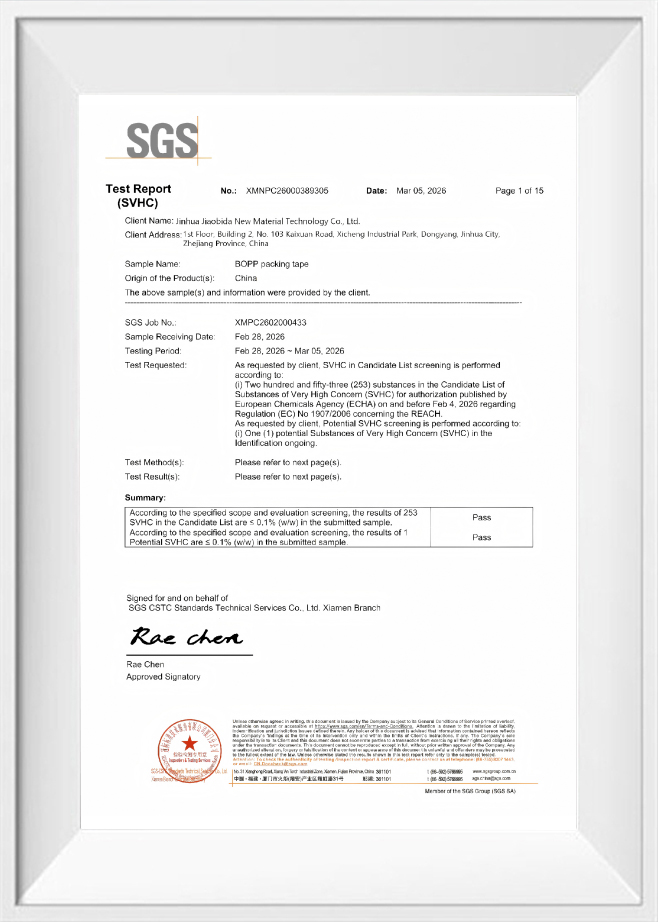
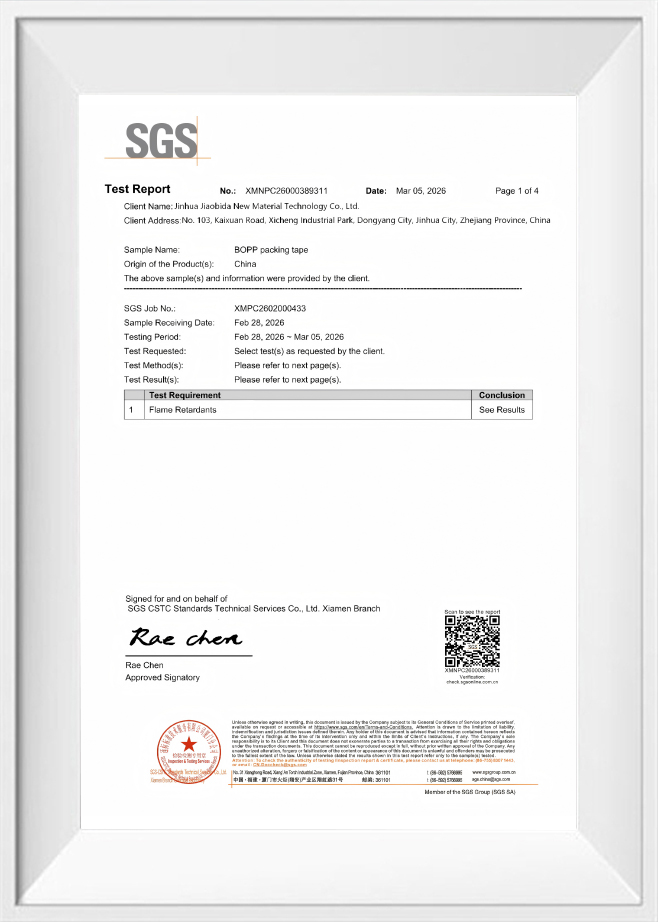
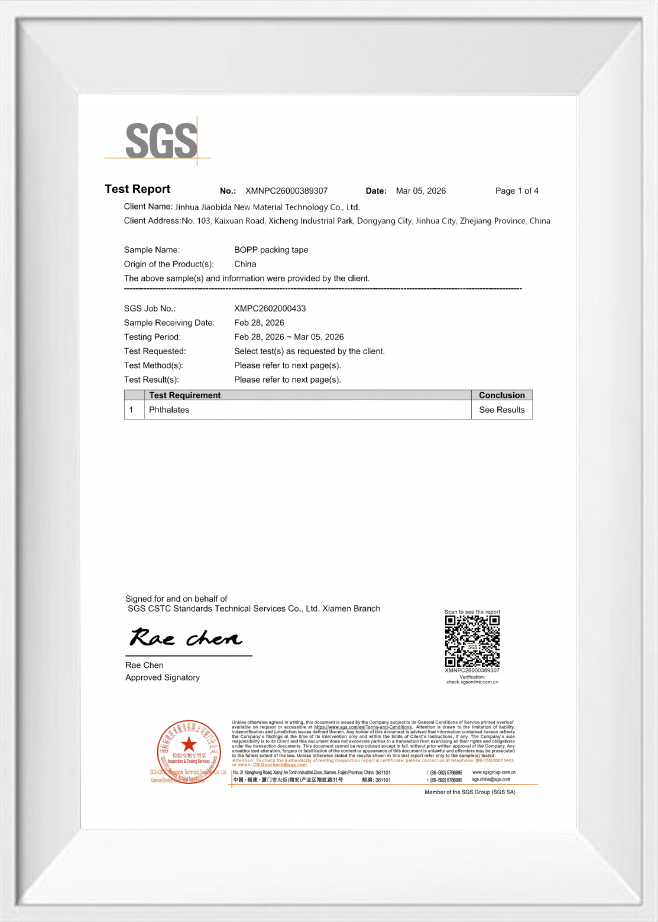
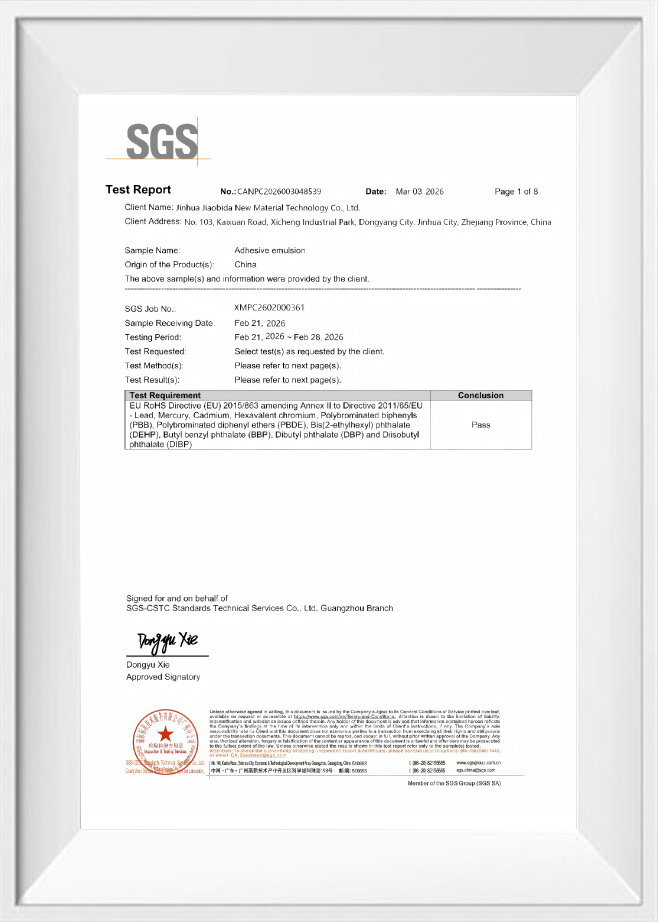
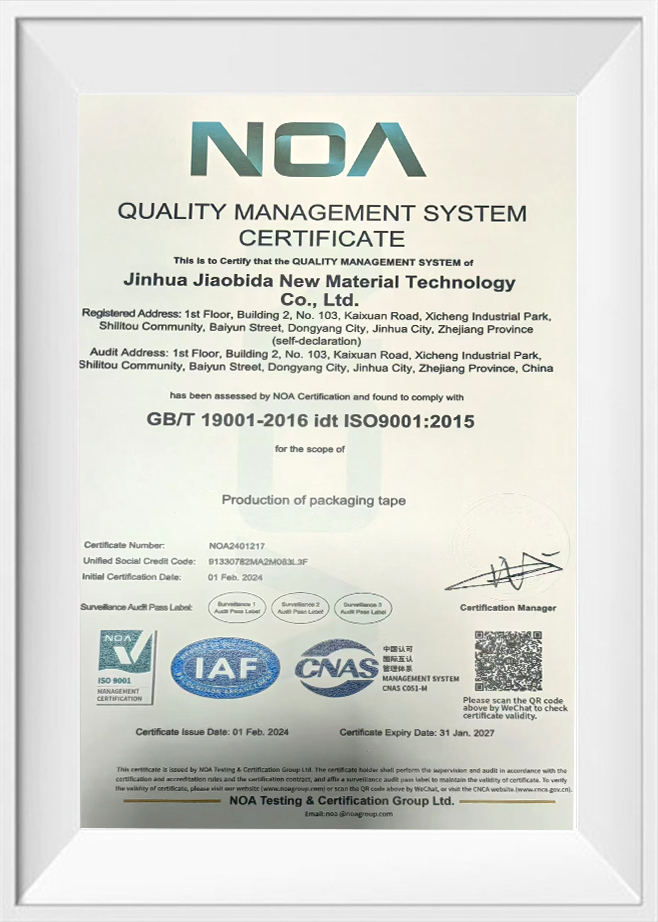
Certificate Of Honor
News
-
Washi tape is widely used for drawing, scrapbooking, journaling, paper decoration, and creative masking. However, a roll that performs well on smooth notebook paper may b...
READ MORE -
Temporary carpet installation is common at exhibitions, trade shows, hotels, offices, renovation sites, and event venues. However, the same tape may behave differently on...
READ MORE -
Approving a safety tape order based on a single sample roll may seem straightforward, but appearance alone cannot confirm whether the entire shipment will meet project re...
READ MORE
Message Feedback
We’re a reliable partner that shapes our expertise into success for your Project.
Contact Us

Our company adheres to the principle of "Quality as Our Priority, Integrity as Our Foundation" and the development philosophy of "Pursuing Win-Win." We look forward to working with domestic and international customers to achieve shared growth and create a better future together.



Products
Keep in Touch

 +86-13306898646
 No. 103, Kaixuan Road, Xicheng Industrial Zone, Dongyang, Jinhua, Zhejiang, China
Copyright © Jinhua JBD New Material Technology Co., Ltd. All rights reserved.
