
 en
 English
 日本語
 Español



Carpet Duct Tape: Will It Hold on Different Flooring Surfaces
 2026.10.16
Temporary carpet installation is common at exhibitions, trade shows, hotels, offices, renovation sites, and event venues. However, the same tape may behave differently on polished tile, concrete, laminate, vinyl, or carpet backing. Buyers need to consider both holding performance and the condition of the floor after removal.
At Jiaobida, we understand that distributors, contractors, and event service companies need tape that matches their application requirements. Our Carpet fixing strong cloth duct tape is relevant to purchasing discussions about cloth-backed tape, handling characteristics, and temporary fixing applications. The right choice depends on the surface, adhesive formulation, exposure period, and removal expectations.

1. Why Does Flooring Material Affect Tape Performance?
Tape adhesion depends on the interaction between the adhesive and the surface. Smoothness, porosity, texture, surface contamination, and temperature can all influence contact and holding behavior. A tape that performs well on one floor may not provide the same result on another.
- Polished tile: The smooth surface may allow close adhesive contact, but residue can remain after removal, depending on the adhesive system and how long the tape stays in place.
- Concrete: Roughness and porosity can reduce consistent contact. Dust may also interfere with adhesion.
- Laminate flooring: The protective surface may be sensitive to adhesive residue, scratches, or finish changes caused by unsuitable tape.
- Vinyl flooring: Surface composition and plasticizers may affect compatibility, so a preliminary test is advisable.
- Carpet and carpet backing: Fibers, backing materials, and surface texture can influence contact and removal behavior.
2. Match the Tape Structure to the Application
Cloth-backed duct tape combines a fabric reinforcement layer with an adhesive coating. Its structure can provide flexibility, conformability, and convenient handling during temporary work. However, the backing alone does not determine whether the tape is suitable for every flooring surface.
Buyers should review several technical details before placing an order:
- Backing material: Confirm the cloth construction and backing properties required for the application.
- Total thickness: Compare the specified thickness with the needs of the installation and the available product data.
- Adhesive type: Ask about the adhesive system and its compatibility with the intended surface.
- Hand tearability: Check whether the tape can be torn easily during on-site application.
- Removal requirements: Clarify whether clean removal is required and the expected time the tape will remain attached.
These details help procurement teams compare products based on their intended use rather than relying on the general description of heavy-duty tape.
3. Test Adhesion Before Approving a Large Order
A small application trial can reveal problems that are difficult to identify from a product description. At Jiaobida, we recommend evaluating the tape on the actual flooring material or a representative sample before approving it for a project.
A practical surface compatibility test
- Clean and dry the test area according to the flooring manufacturer's instructions.
- Apply a short strip using the intended installation method and consistent pressure.
- Check whether the tape remains attached under normal project conditions.
- Remove the strip after a period that reflects the planned application duration.
- Inspect for adhesive residue, discoloration, surface damage, or lifted flooring finishes.
Record the surface type, application date, temperature, dwell time, and observations. A test performed for a few minutes cannot necessarily predict results after several days. Extended-use projects should include a trial that reflects the planned installation period.
4. Consider Holding Strength and Clean Removal Together
Strong initial adhesion is not the only factor that matters in temporary carpet work. Tape may need to hold the material securely during an event while remaining removable afterward. These requirements can conflict, depending on the adhesive formulation and surface.
Buyers should discuss the following points with their supplier:
- Holding performance: Confirm the required resistance to lifting, movement, or edge release during normal use.
- Dwell time: Specify whether the tape will stay in place for hours, several days, or longer.
- Residue control: Request relevant test information where clean removal is an important requirement.
- Floor protection: Verify compatibility with delicate finishes and follow the flooring manufacturer's recommendations.
Adhesion and residue performance should be assessed for the actual product and substrate combination. General duct tape specifications cannot establish that every flooring surface will remain undamaged.
5. What Should B2B Buyers Confirm with a Supplier?
Distributors, contractors, and facility managers often need consistent product specifications across multiple projects. Clear purchasing requirements help reduce uncertainty during quotation review and incoming inspection.
| Purchasing Detail | What to Confirm |
| Product dimensions | Roll width, length, thickness, and applicable tolerances |
| Adhesive performance | Relevant adhesion data and suitable test methods |
| Surface compatibility | Intended flooring types and any usage restrictions |
| Packaging | Roll presentation, carton configuration, and labeling |
| Quality control | Sample approval, inspection criteria, and defect handling |
Buyers should also distinguish between single-sided cloth duct tape and double-sided carpet fixing tape. The products serve different bonding arrangements, and a single-sided tape should not automatically be treated as a direct substitute for a dedicated carpet-laying tape.
Carpet duct tape can hold on different flooring surfaces, but the outcome depends on the tape construction, adhesive formulation, surface condition, and duration of use. Smooth tile, porous concrete, laminate, vinyl, and carpet backing each present different testing considerations.
At Jiaobida, we encourage buyers to define their application requirements before confirming an order. Reviewing technical specifications, conducting surface compatibility trials, and checking removal results can help distributors and contractors make informed purchasing decisions. Contact our team through jbdtape.com to discuss product details and identify a tape configuration suited to your project requirements.
-
-
Strong Double Sided Adhesive Tape for Artist Crafts Card Making
-
-
Waterproof Shipping Carton BOPP Adhesive Packing Printing Tape
-
-
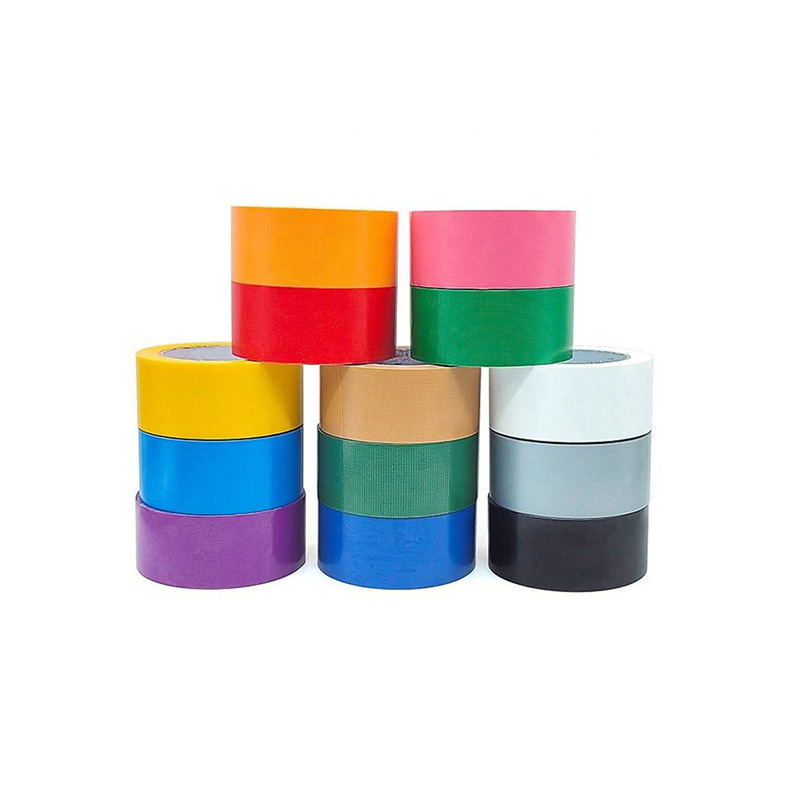
70 Mesh Colorful Waterproof Glossy Adhesive Fabric Cloth Duct Tape
-
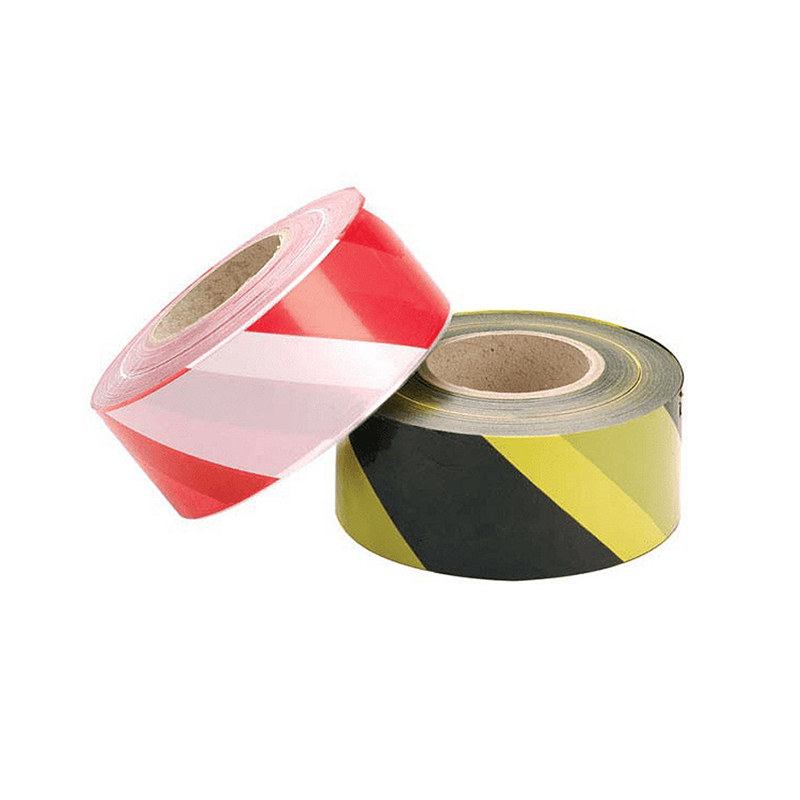
Yellow PE Warning Tape Decorative Tape Safety Marker Indicator Tape
-
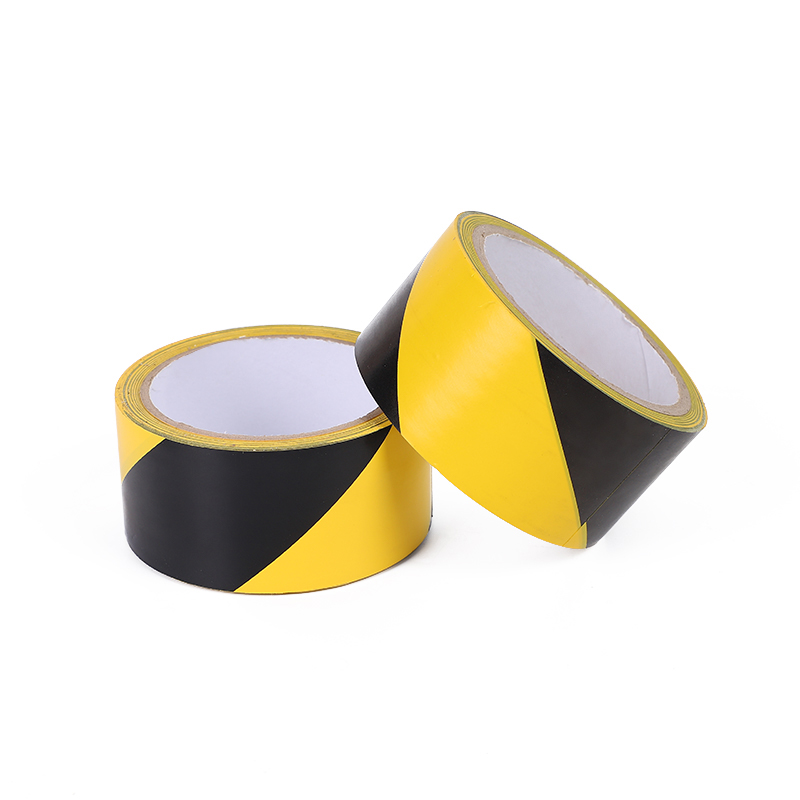
Black & Yellow High-Visibility PVC Adhesive Floor Marking Warning Tape
-
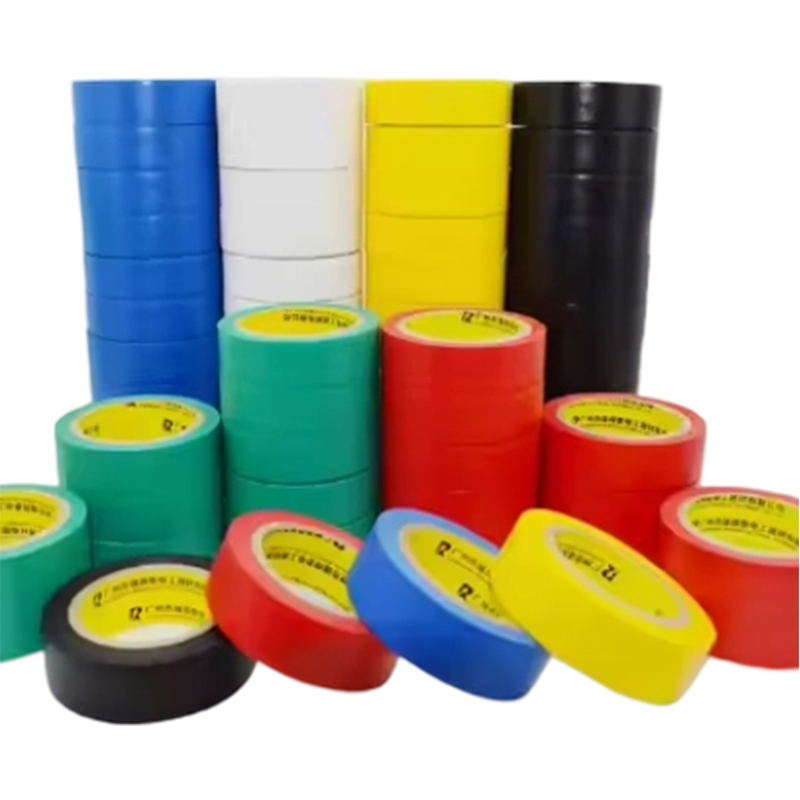
Colorful Flame Retardant PVC Bondage Adhesive Electrical Insulation Tape Raw Material
-
-
-




 +86-13306898646
 No. 103, Kaixuan Road, Xicheng Industrial Zone, Dongyang, Jinhua, Zhejiang, China
