
 en
en  English
 日本語
日本語 Español


Clear Tape or Hidden Risk? Carton Seals Under the Spotlight
 2026.09.11
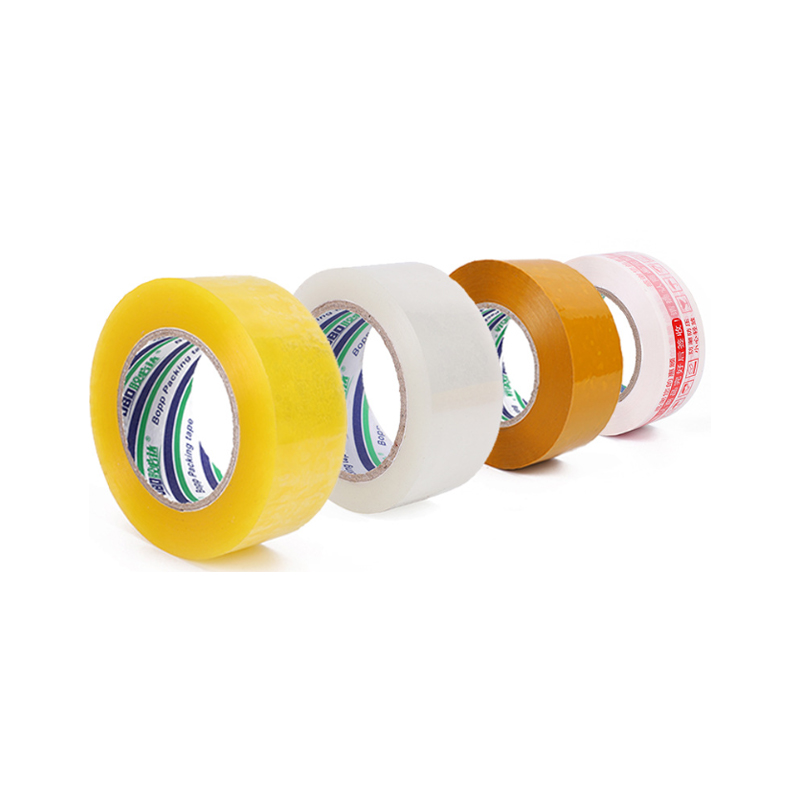
Transparent packaging often gives cartons a clean appearance, but clear tape does not automatically mean a secure carton seal. Transparent carton sealing tape combines a clear film backing with pressure-sensitive adhesive, allowing labels, barcodes, printed carton information, and other markings to remain visible. The real question is whether the tape can maintain its bond as the package moves through storage, handling, and transportation.
Clarity is easy to notice. Adhesion, tensile strength, thickness, and temperature performance require closer inspection. These technical factors can determine whether a carton remains closed after repeated handling or exposure to changing conditions.

1. Does Clear Film Affect Package Visibility?
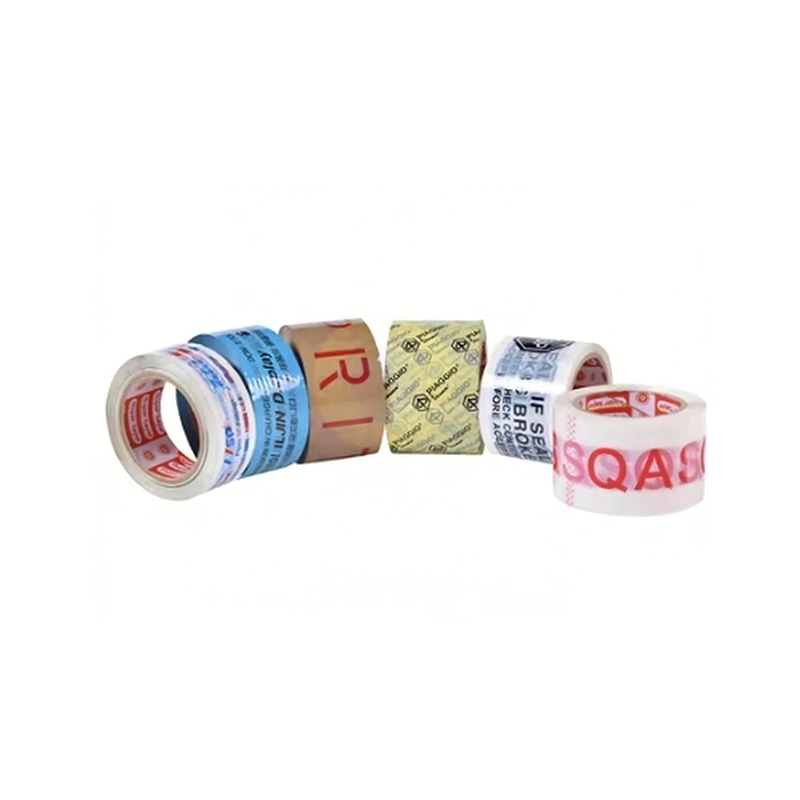
Transparent tape has a practical advantage: it does not cover the information printed underneath the sealing area. High-clarity BOPP film can allow labels and carton graphics to remain visible through the tape, which is useful for packages requiring barcode scanning or visual identification.
- Barcode visibility: Clear film can preserve the readability of printed identification areas.
- Carton graphics remain exposed: Printed information can still be seen after sealing.
- Seal inspection becomes easier: Operators can visually check the closure line without an opaque tape layer.
Transparency therefore supports package visibility, but it should not be confused with security performance. A clear tape can look intact while its adhesive bond has already weakened.
2. Adhesive Strength Can Hide Behind Clear Film
The adhesive layer is responsible for keeping the tape attached to corrugated board. Acrylic and synthetic rubber systems are both used in carton sealing applications, with performance varying according to formulation and intended use.
Published specifications show that transparent BOPP tapes can have adhesion values ranging from around 1.9 N/cm to above 2.4 N/cm, while tensile strength can range from approximately 40 N/cm to 60 N/cm across different constructions.
- Peel adhesion: Indicates how strongly the adhesive resists separation from a surface.
- Tensile strength: Shows how much pulling force the backing film can tolerate.
- Holding power: Helps indicate resistance to gradual movement under sustained load.
- Initial tack: Describes how quickly the adhesive establishes contact after application.
3. Can Tape Thickness Change the Risk Profile?
Not every clear carton tape has the same construction. Published products commonly range from roughly 35 μm to 80 μm in total thickness, while other packaging grades use constructions around 45–65 μm.
Thicker tape can provide greater resistance to tearing, but thickness alone does not determine sealing reliability. Adhesive formulation, backing strength, carton surface, and application conditions all interact.
- Light cartons may work with thinner BOPP constructions.
- Heavier cartons may require greater tensile strength and stronger adhesion.
- Rough corrugated surfaces can demand higher tack.
- Long-distance shipments may require greater resistance to temperature and moisture changes.
4. Where Can Temperature Become a Hidden Problem?
Cartons rarely remain under identical conditions throughout their journey. A package may move from a warm warehouse into a refrigerated vehicle or experience significant temperature changes during storage and transportation.
Different transparent carton tapes have different operating ranges. One published BOPP construction specifies service temperatures around -2°C to 60°C, while another technical sheet lists an operating range of 10°C to 40°C.
Such differences show why a tape specification should match the actual shipping environment rather than rely on appearance alone.
5. Could Clear Tape Reveal More Than It Hides?
Clear film can make changes around the sealing area easier to inspect. Wrinkles, lifted edges, carton dust, adhesive failure, and gaps may become visible without removing the tape.
- Lifted edges: May indicate insufficient adhesion or surface contamination.
- Wrinkled film: Can indicate uneven application or movement during sealing.
- Visible carton fibers: May appear around areas experiencing strong adhesive contact.
- Yellowing: Can affect appearance and may matter for packages stored for extended periods.
Transparent carton sealing tape offers more than a clean visual finish. Its clarity can preserve carton information and make the sealing area easier to inspect, while its actual performance depends on measurable properties such as adhesion, tensile strength, thickness, tack, and temperature resistance.
Clear film should therefore be treated as only one part of the product specification. A carton seal that looks clean on the outside still needs an adhesive and backing construction capable of maintaining its bond throughout the package's intended handling environment.
-
-
Strong Double Sided Adhesive Tape for Artist Crafts Card Making
-
-
Waterproof Shipping Carton BOPP Adhesive Packing Printing Tape
-
-
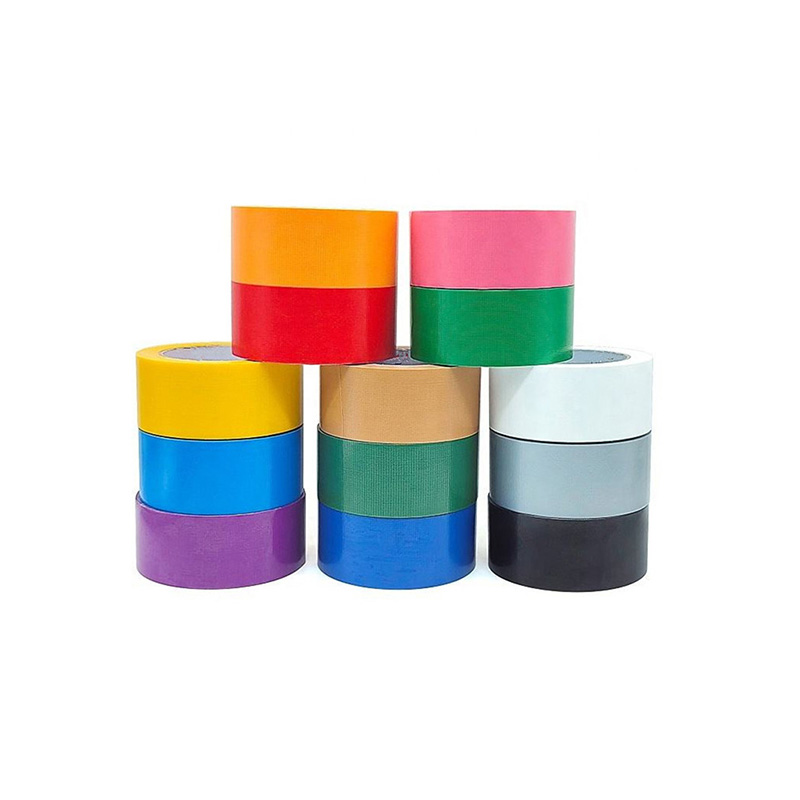
70 Mesh Colorful Waterproof Glossy Adhesive Fabric Cloth Duct Tape
-
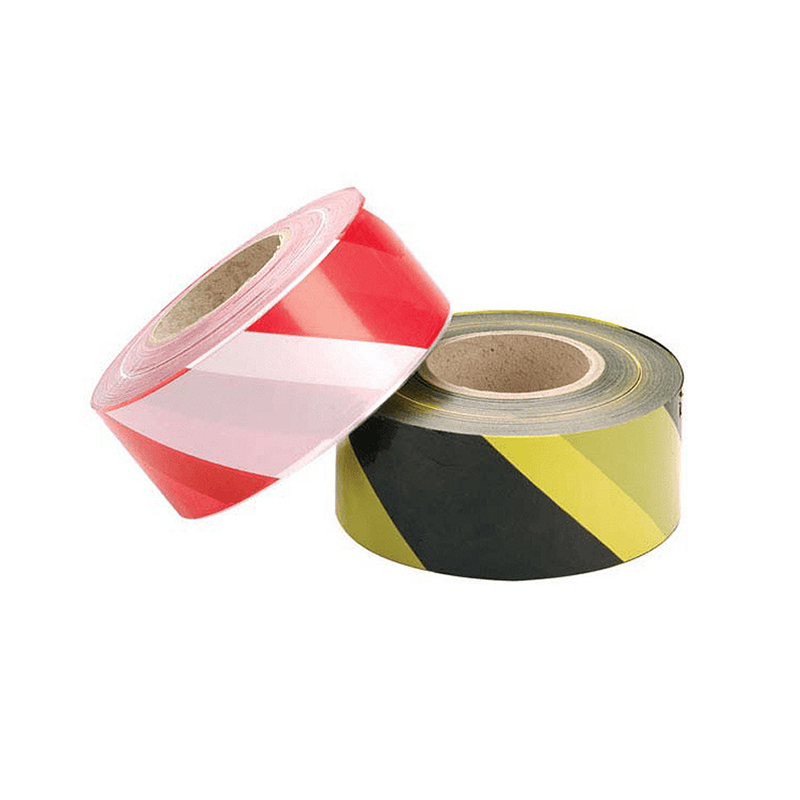
Yellow PE Warning Tape Decorative Tape Safety Marker Indicator Tape
-
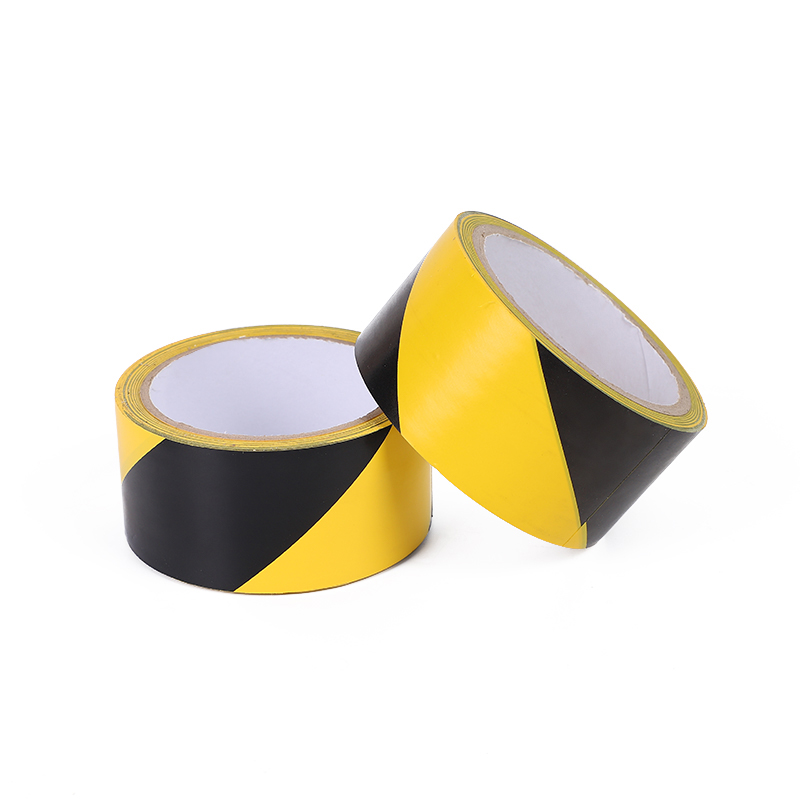
Black & Yellow High-Visibility PVC Adhesive Floor Marking Warning Tape
-
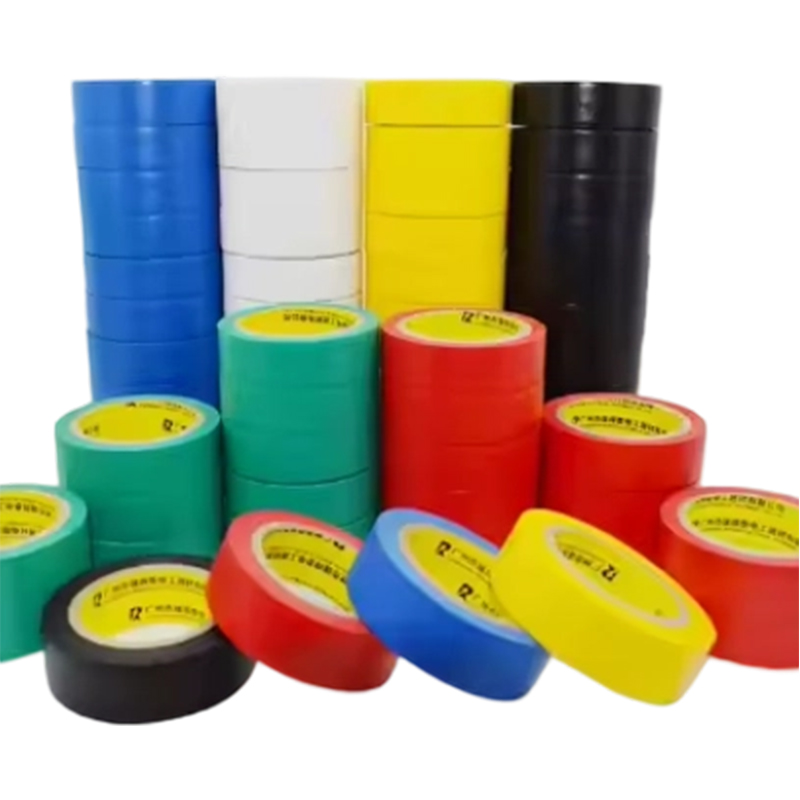
Colorful Flame Retardant PVC Bondage Adhesive Electrical Insulation Tape Raw Material
-
-
-





 +86-13306898646
 No. 103, Kaixuan Road, Xicheng Industrial Zone, Dongyang, Jinhua, Zhejiang, China
