
 en
en  English
 日本語
日本語 Español


Where Does High Temperature Foam Tape Hold Its Bond
 2026.09.18
Heat can change how adhesive and bonded materials behave. Plastic panels expand. Metal parts contract. Painted surfaces may react in ways as temperatures go up and down. High temperature double sided foam tape is made to handle these changes while keeping two surfaces stuck together. Its performance depends on more than the temperature number listed on a spec sheet.
The foam’s structure, the chemistry, the thickness, surface energy, shear strength and thermal expansion all affect how stable the bond stays. Knowing these things helps explain why some foam tapes keep holding through many heating cycles while others slowly lose grip.

1. Heat Resistance Starts With the Adhesive
The pressure- adhesive needs to stay strong enough to prevent movement at high temperatures. Regular adhesives may get soft when heat increases. This can let parts shift or cause the adhesive layer to stretch over time.
- Acrylic adhesive: Often used in bonding jobs because it gives strong hold and stands up to heat, weather and chemicals.
- Silicone adhesive: Works for high-heat jobs and sticks to tricky materials.
- Cross-linked adhesive structures: Help resist flow and shape change when exposed to heat for periods.
Technical data shows the range of performance. Some acrylic foam products are built for long-term heat resistance around 180°C. Others are rated around 80°C or 90°C depending on their use.
2. Thermal Expansion Can Test the Bond
Not all materials react the way to temperature changes. Aluminum, steel, glass, ABS, polycarbonate and other plastics expand at rates. Joining two materials can create movement in the joint as the temperature shifts.
Viscoelastic foam cores help manage this movement. Of acting like a rigid spacer the foam layer can slightly compress or stretch as the parts expand or contract. This is especially helpful when assemblies face heating and cooling cycles.
- Metal-to-plastic assemblies often have expansion rates.
- Curved parts can put stress on the adhesive.
- Outdoor installations may go through repeated heat changes.
- Painted surfaces can behave differently than the material underneath.
Some acrylic foam tapes are built to handle these shifts helping the bond stay strong through temperature changes.
3. Thickness Changes How Foam Handles Stress
Foam thickness is not a size choice. Thicker foam can bend easily and fill gaps between uneven surfaces. It can also handle movement between parts.
Commercial acrylic foam tapes come in a range of thicknesses—from fractions of a millimeter up to millimeters. Common options include 0.5 mm, 0.64 mm, 1.0 mm 1.5 mm and 2.0 mm.
- Thin foam: Good when you need a low profile bond line.
- Medium thickness: Balances flexibility and stability.
- Thicker foam: Better for surfaces and big differences in movement.
So thickness should match the design not be seen as a direct measure of adhesive strength.
4. Peel Strength Is Not the Whole Story
High-temperature bonding faces kinds of forces. A part may pull away slide down from gravity. Vibrate often. Peel strength alone doesn’t cover all of these situations.
- Peel strength: Shows how well the bond resists pulling apart.
- Shear strength: Measures resistance to sliding along the surface.
- Tensile strength: Shows how well the bond handles pulling forces.
- Stress relaxation: Explains how the adhesive responds to long-term pressure.
Data for high-strength acrylic foam tapes can show peel and shear numbers.. These numbers must be understood with the substrate, how long the bond has been in place, temperature and the test method used.
5. Term Heat and Short-Term Heat Are Different
Temperature ratings can be confusing. Manufacturers may list values for long exposure and short bursts of heat. A tape that holds up during a 180°C heating does not mean it will last in continuous heat at that temperature.
One acrylic foam tape for example says it can handle long-term exposure at 212°F and short-term exposure at 350°F. Other high-performance products list numbers for continuous and temporary heat.
How long the heat lasts matters as much as the peak temperature. Real-world testing must match the heating cycle, not just the highest temperature on the product sheet.
6. Where Does Temperature Foam Tape Fit?
High temperature double sided foam tape fits many uses. It works with metal, plastics, painted surfaces, panels, trims, signs, equipment parts and anything exposed to heat cycles. Acrylic foam is also used outdoors because its viscoelastic nature gives both adhesion and movement control.
- Automotive exterior trim and decorative parts
- Metal and plastic panel bonding
- Industrial machine assemblies
- Signs, stickers and nameplates
- Parts going through paint or powder coating
temperature double sided foam tape holds its bond through a mix of adhesive stability, foam flexibility, resistance, to shear and ability to handle thermal expansion. Temperature resistance should not be judged by a number. Long-term heat, short-term spikes, material movement, joint thickness and mechanical stress all play a role.
That’s why testing the tape in real-world conditions is so important. The right foam tape is the one that keeps a bond under all the thermal and mechanical demands of the final product.
-
-
Strong Double Sided Adhesive Tape for Artist Crafts Card Making
-
-
Waterproof Shipping Carton BOPP Adhesive Packing Printing Tape
-
-
70 Mesh Colorful Waterproof Glossy Adhesive Fabric Cloth Duct Tape
-
Yellow PE Warning Tape Decorative Tape Safety Marker Indicator Tape
-
Black & Yellow High-Visibility PVC Adhesive Floor Marking Warning Tape
-
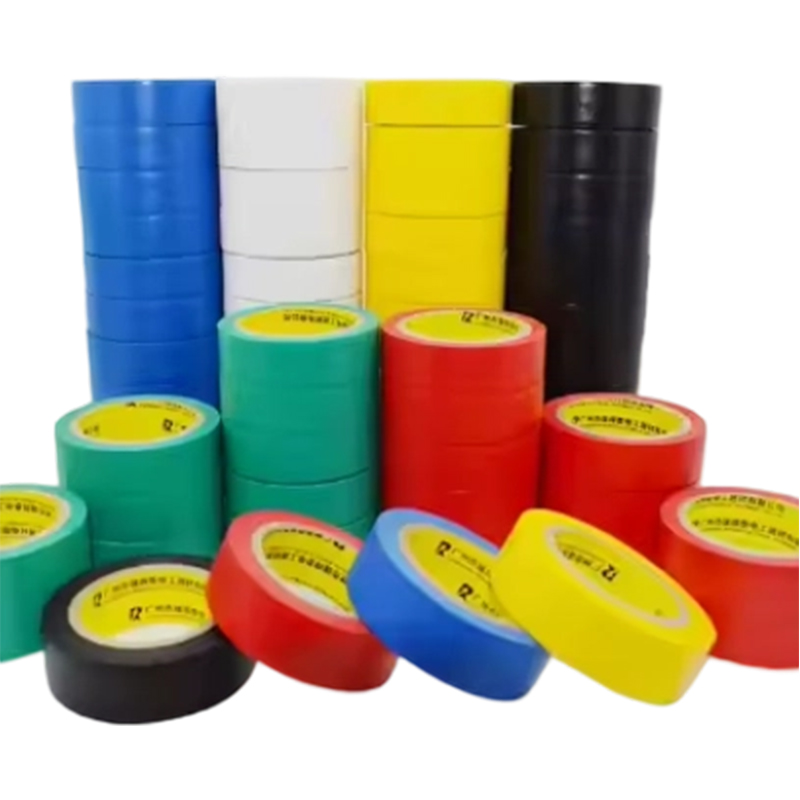
Colorful Flame Retardant PVC Bondage Adhesive Electrical Insulation Tape Raw Material
-
-
-





 +86-13306898646
 No. 103, Kaixuan Road, Xicheng Industrial Zone, Dongyang, Jinhua, Zhejiang, China
