
 en
 English
 日本語
 Español



Custom Printed Tape: Is Digital Printing Worth It for Small Orders
 2026.10.30
Small businesses, e-commerce sellers, and packaging distributors often want branded packing tape without committing to a large inventory. Digital printing offers a practical way to produce customized designs in smaller batches, but the final decision depends on setup charges, print quality, order volume, and future purchasing plans.
At Jiaobida, we understand that buyers need to balance branding requirements with purchasing budgets. Our Small order custom printed tape solutions can be discussed according to artwork, tape specifications, packaging needs, and order requirements. Understanding the differences between digital and flexographic printing helps buyers assess which method fits their business.
1. How Does Digital Printing Change Small-Order Costs?
Traditional flexographic printing uses printing plates, which introduce setup expenses before production begins. Digital printing transfers artwork from a digital file without requiring conventional printing plates. This can make short production runs easier to arrange, especially for businesses testing a new logo or packaging concept.
- Lower initial setup expenses: Digital printing can reduce tooling costs associated with short runs.
- Design flexibility: Artwork changes can be easier to manage without producing a new set of plates.
- Smaller inventory commitments: Buyers can evaluate branded packaging before ordering larger quantities.
- Higher unit pricing at scale: Digital printing may cost more per roll than flexographic printing on large, repeat orders.
Actual pricing depends on the printing equipment, tape substrate, roll dimensions, number of designs, and supplier's production requirements. Buyers should compare the complete quotation rather than judging the printing method by setup charges alone.
2. Compare Digital and Flexographic Printing
Both methods can support custom printed packaging tape, but their cost structures differ. Digital printing generally suits shorter runs and changing artwork, while flexographic printing can offer better unit economics for larger quantities of consistent designs.
| Comparison Factor | Digital Printing | Flexographic Printing |
| Setup | Usually requires digital file preparation | Requires printing plates and press setup |
| Small orders | Often suitable | May involve higher initial setup costs |
| Unit cost | Can be higher as volume increases | Can decrease across larger production runs |
| Artwork revisions | Generally easier to accommodate | May require plate changes and additional setup |
| Repeat production | Useful for changing designs | Attractive for stable, recurring designs |
Neither process is automatically suitable for every order. Buyers should request a quotation based on the same tape material, dimensions, print coverage, and artwork so the cost comparison remains meaningful.
3. Check Print Quality Before Approving Production
Custom tape carries a company's logo, brand colors, contact details, or handling instructions. Print quality therefore matters even for a limited production run. A digital proof can help buyers review artwork placement, but it may not fully represent the final printed result on the actual tape material.
Jiaobida recommends confirming the following details before approving an order:
- Artwork resolution: Supply clear logo files and confirm that small text remains readable at the intended print size.
- Color expectations: Clarify the acceptable color range and whether exact brand-color matching is required.
- Print placement: Check logo spacing, repeat intervals, orientation, and margins.
- Material compatibility: Confirm that the proposed printing process suits the selected tape backing and surface.
- Production approval: Review a physical sample or an agreed proofing process before authorizing the full order.
These checks help avoid discrepancies between the approved artwork and the finished product. Buyers with specific color or durability requirements should request relevant samples or supporting test information.
4. Calculate the Total Cost, Not Just the Price per Roll
A low unit price does not necessarily represent the lowest overall purchasing cost. Setup fees, packaging, freight, artwork preparation, and unused inventory can change the economics of a small custom tape order.
Consider a buyer planning to order 50 rolls for a product launch. Digital printing may offer a convenient way to test the design without holding excess stock. A flexographic quotation could become more attractive if the same artwork will be used across several future orders.
Before making a decision, compare these expenses:
- Total printing and setup charges.
- Price per roll at the requested quantity.
- Tape width, length, thickness, and material specifications.
- Packaging, shipping, and any applicable import costs.
- Expected remaining inventory and the likelihood of artwork changes.
Ask suppliers to quote several quantity levels when possible. Comparing a small trial order with a larger repeat-order scenario can reveal the point at which another printing method becomes commercially attractive.
5. Which Businesses Benefit from Digital Printing?
Digital printing can be particularly useful for businesses whose packaging needs are still developing or whose branding changes regularly.
- Startups: Test a new logo and branded packaging concept before expanding distribution.
- Online retailers: Add customized tape to shipping cartons without purchasing a large stock of printed rolls.
- Seasonal brands: Produce artwork for limited campaigns or special promotions.
- Distributors: Evaluate different customer designs before committing to recurring production.
Businesses shipping large, stable volumes may benefit from comparing flexographic printing as well. The appropriate choice depends on order frequency, design consistency, technical requirements, and the total cost over the purchasing cycle.
6. Questions to Ask Before Placing a Small Custom Tape Order
Clear communication with the supplier helps buyers avoid unexpected charges and specification differences. Before confirming an order, ask about:
- Available printing methods and the quantities supported by each method.
- Tape materials, roll sizes, adhesive types, and packaging configurations.
- Artwork file requirements and proof approval procedures.
- Setup charges, sample costs, and quantity-based pricing.
- Inspection procedures and options for repeat orders using approved artwork.
Digital printing can be a sensible option for small custom tape orders, particularly for businesses testing branding concepts, managing seasonal designs, or avoiding excess inventory. Flexographic printing may offer lower unit costs for larger orders with consistent artwork.
At Jiaobida, we encourage buyers to evaluate printing methods alongside tape specifications, artwork requirements, and the complete order cost. A clear quotation and an approved sample provide a useful foundation for purchasing decisions. Contact our team through jbdtape.com to discuss custom printed tape requirements and identify a production arrangement suited to your business.
-
-
Strong Double Sided Adhesive Tape for Artist Crafts Card Making
-
-
Waterproof Shipping Carton BOPP Adhesive Packing Printing Tape
-
-
70 Mesh Colorful Waterproof Glossy Adhesive Fabric Cloth Duct Tape
-
Yellow PE Warning Tape Decorative Tape Safety Marker Indicator Tape
-
Black & Yellow High-Visibility PVC Adhesive Floor Marking Warning Tape
-
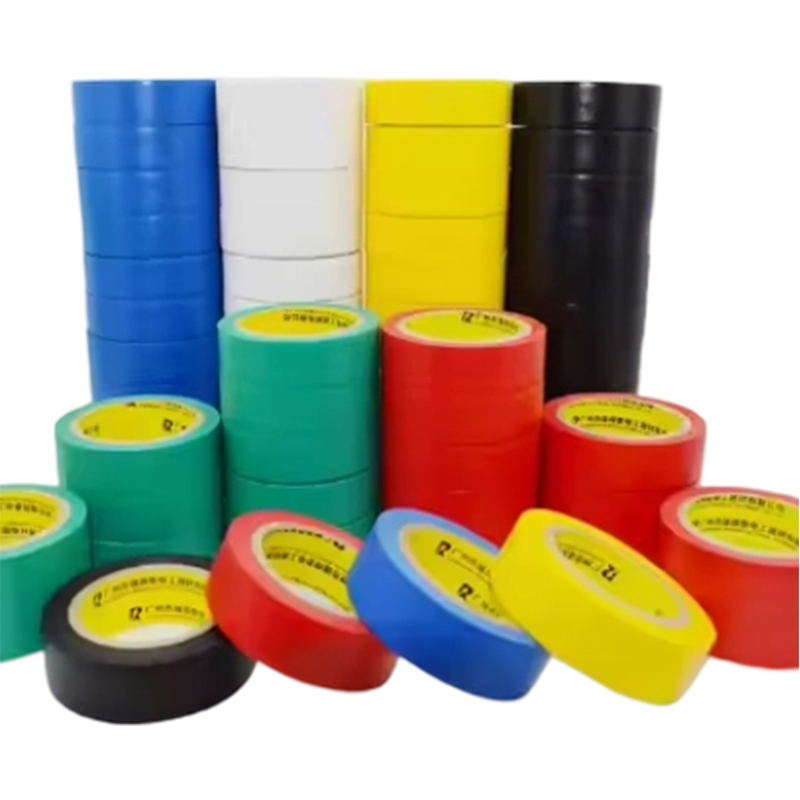
Colorful Flame Retardant PVC Bondage Adhesive Electrical Insulation Tape Raw Material
-
-
-





 +86-13306898646
 No. 103, Kaixuan Road, Xicheng Industrial Zone, Dongyang, Jinhua, Zhejiang, China
