
 en
 English
 日本語
 Español



Are Barrier Tape Samples Enough to Approve a Bulk Safety Order
 2026.10.09
Approving a safety tape order based on a single sample roll may seem straightforward, but appearance alone cannot confirm whether the entire shipment will meet project requirements. Color, film thickness, roll dimensions, print clarity, and handling behavior all deserve attention before a purchase order moves into production.
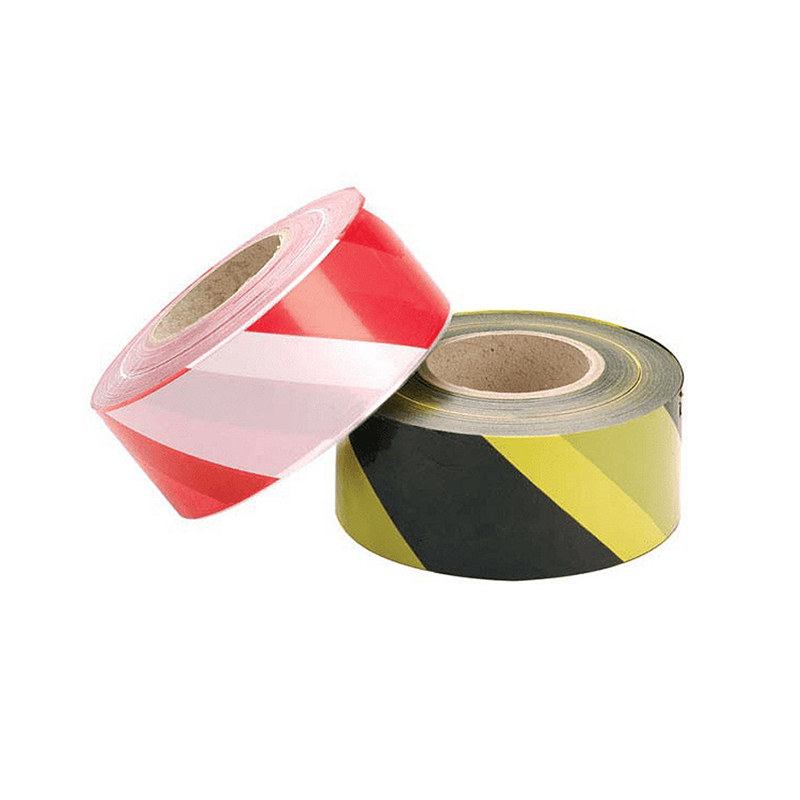
At Jiaobida, we understand that distributors, construction suppliers, and industrial buyers need clear specifications before committing to a bulk purchase. Our PE Warning Barrier Tape range includes non-adhesive options designed for temporary cordoning, hazard identification, and restricted-area marking. A sample provides a practical starting point, while a documented approval process helps buyers define the expected product quality.
The key question is not simply whether the sample looks acceptable. Buyers need to determine whether the approved sample represents the agreed production specification and whether measurable inspection criteria can be applied to the finished order.

1. Define What the Sample Needs to Prove
A sample review should begin with the intended application and the requirements stated in the purchase enquiry. Different work environments place different demands on warning tape, so a general visual inspection may leave important questions unanswered.
Before evaluating the sample, our team recommends confirming the following details:
- Material: Confirm that the sample uses the specified polyethylene film rather than an adhesive PVC marking tape or another product category.
- Dimensions: Record the required width, film thickness, and roll length, including the agreed tolerances.
- Appearance: Check the base color, warning message, print alignment, and readability under the expected working conditions.
- Handling: Examine how the tape unwinds, stretches, folds, and responds to the tension used during installation.
- Packaging: Verify the roll label, core dimensions where applicable, carton configuration, and identification information.
These checks establish a shared reference between Jiaobida and the buyer. They also help prevent misunderstandings caused by approving a sample that differs from the configuration described in the quotation.
2. Check Film Thickness, Width, and Roll Length
Physical dimensions are measurable characteristics that should not rely entirely on visual judgment. A roll may appear suitable on a desk while containing film that differs from the requested thickness or a usable length that does not match the purchase specification.
PE warning tape is available in different thicknesses according to the product configuration. Our published warning tape information includes PE film thicknesses ranging from 30 μm to 70 μm. This range is a reference for available product types, not a universal requirement for every application.
Recommended dimensional checks
- Thickness measurement: Use a suitable thickness gauge or micrometer at several points. Record the readings and compare them with the agreed specification.
- Width verification: Measure the film across its width at multiple positions to identify noticeable variation or irregular edges.
- Roll length confirmation: Establish an agreed method for verifying the usable length. A calibrated measuring device or an appropriate production measurement system can support this check.
- Roll construction: Inspect the winding condition, edge alignment, and visible defects that could interfere with dispensing or installation.
Buyers should agree on numerical tolerances before placing the order rather than assuming that every supplier uses the same acceptance limits. The required values should reflect the intended use, product design, and purchasing specification.
3. Evaluate Color and Warning Message Readability
Warning tape serves a communication purpose as well as a physical boundary function. Its color and message need to remain recognizable throughout the intended installation area. A sample review should therefore consider the complete printed surface rather than focusing on a small section of the roll.
At Jiaobida, we encourage buyers to document visual requirements clearly, particularly for orders involving custom wording or special color arrangements.
- Compare the sample color with the approved reference or agreed color standard under consistent lighting.
- Check printed words, symbols, spacing, and orientation across several repeated sections.
- Look for blurred characters, incomplete printing, ink smears, uneven color, and alignment defects.
- Confirm that the warning message is suitable for the intended users and destination market.
- Review any language, logo, or custom artwork requirements before authorizing production.
Readability should be assessed at a practical viewing distance appropriate to the project. A message that looks clear at close range may be difficult to recognize across a work area. Buyers should define the required print appearance and conduct a simple site-relevant review before approving the sample.
4. Test Handling Under Realistic Installation Conditions
A sample roll can demonstrate how the material behaves during ordinary handling, but the test should reflect the way the product will actually be used. Non-adhesive PE barrier tape is intended to create a temporary visual boundary. It is not designed to function as permanent adhesive fixation or as a physical guardrail.
Our recommended handling review covers several practical situations:
- Unwinding: Pull out a suitable length and observe whether the film dispenses smoothly without excessive tangling or unexpected sticking between layers.
- Installation tension: Secure the tape using the intended posts or attachment points, then check whether normal installation tension causes unwanted tearing.
- Boundary visibility: Examine the installed tape from different viewing positions to judge whether the color and printed warning remain easy to recognize.
- Temporary outdoor exposure: Assess the sample under the anticipated site conditions, including expected sunlight, wind, and moisture, where relevant.
- Removal and storage: Check whether the tape can be gathered, handled, and stored as intended, especially for projects that expect reuse.
These observations are application checks, not substitutes for formal laboratory testing. Buyers with defined tensile strength, elongation, weathering, or other performance requirements should request relevant test data and agree on the test method before production.
5. Understand the Limits of a Single Sample
One approved roll represents a particular sample, not every roll that will come off a production line. Variations in raw materials, printing, slitting, winding, and packaging may affect the finished goods. A bulk order therefore needs inspection criteria that extend beyond the initial sample review.
We recommend creating a written sample approval record containing:
- The product name, material, dimensions, and agreed technical specifications.
- The approved color, warning text, artwork version, and print arrangement.
- Reference photographs and, where practical, a retained physical sample.
- Acceptance limits for dimensional variation and visible defects.
- The agreed sampling method, inspection responsibilities, and procedure for handling nonconforming goods.
This record gives both parties a clear basis for evaluating production. It also provides a reference for repeat orders, reducing the risk of disagreements caused by different interpretations of phrases such as “standard quality” or “same as the previous order.”
6. Build a Practical Bulk Inspection Plan
Once the sample has passed review, the next step is to determine how the finished order will be inspected. The inspection plan should match the order size, application risk, product complexity, and buyer's quality requirements.
The following comparison illustrates how sample approval and bulk inspection serve different purposes.
| Inspection Stage | Items to Review | Purpose |
| Pre-production sample | Material, dimensions, color, printing, handling, and packaging | Confirm the proposed product configuration |
| Production inspection | Selected rolls, dimensional readings, print consistency, and visible defects | Check whether production matches the approved reference |
| Final shipment inspection | Quantity, carton labels, packaging, product condition, and agreed sampling criteria | Verify conformity before dispatch |
For example, a buyer ordering 500 rolls could agree with Jiaobida on a documented sampling plan rather than inspecting only one roll or assuming that every roll needs identical testing. The actual sample count and acceptance limits should be established in advance according to the applicable quality plan.
Any critical requirement should be written into the purchase specification. Visual inspection alone cannot establish a precise tensile strength, verified outdoor service life, or compliance with a safety standard. Such claims require suitable evidence and clearly defined testing conditions.
7. Compare Quotations Against the Same Approved Specification
Sample approval also supports a more meaningful comparison between supplier quotations. Two offers may describe warning tape using similar names while differing in film thickness, width, roll length, printing requirements, or packaging.
Our purchasing discussions should therefore cover the full product configuration instead of comparing unit prices in isolation.
- Technical scope: Confirm the material, dimensions, color, printing, and intended application.
- Commercial scope: Review the quoted quantity, unit of sale, packaging, and any setup or customization charges.
- Quality documentation: Clarify available inspection records, test reports, and the method used to assess conformity.
- Order changes: Establish how revisions to film specifications, artwork, packaging, or other approved details will be reviewed and authorized.
- Delivery planning: Confirm the production schedule, inspection timing, packing arrangement, and shipping terms in the quotation.
A lower quotation may reflect a different specification rather than a more economical offer for the same product. A documented sample and a complete purchasing brief make the comparison clearer and help buyers understand exactly what they are paying for.
8. What Should Buyers Confirm Before Releasing the Order?
Before authorizing bulk production, Jiaobida recommends a final review between the purchasing contact and the supplier. This step confirms that the approved sample, commercial quotation, and production instructions describe the same finished product.
- The material type and all required dimensions have been confirmed.
- Color, printed wording, artwork, and message orientation have received written approval.
- The sample has passed the agreed application and appearance checks.
- The bulk inspection method and acceptance criteria have been documented.
- Packaging, labeling, carton quantities, and order quantities match the quotation.
- Any outstanding technical questions or customization details have been resolved.
Buyers can share these requirements with our team through the Jiaobida website to discuss suitable warning tape configurations and product details. Clear communication before production helps both sides work from the same reference and provides a practical basis for evaluating the finished shipment.
Approve the Specification, Not Just the Sample
Barrier tape samples are valuable purchasing tools, but their value depends on how they are evaluated and documented. A roll that looks acceptable may still require dimensional checks, printing review, handling tests, and confirmation of its intended application.
At Jiaobida, we encourage buyers to connect sample approval with a written specification and a realistic bulk inspection plan. By defining measurable requirements, retaining an approved reference, and agreeing on how production conformity will be checked, procurement teams can make better-informed decisions before committing to a larger order.
A clear approval process gives both the buyer and supplier a common standard for product expectations. That shared understanding is a practical foundation for dependable purchasing and future repeat orders.
-
-
Strong Double Sided Adhesive Tape for Artist Crafts Card Making
-
-
Waterproof Shipping Carton BOPP Adhesive Packing Printing Tape
-
-
70 Mesh Colorful Waterproof Glossy Adhesive Fabric Cloth Duct Tape
-
Yellow PE Warning Tape Decorative Tape Safety Marker Indicator Tape
-
Black & Yellow High-Visibility PVC Adhesive Floor Marking Warning Tape
-
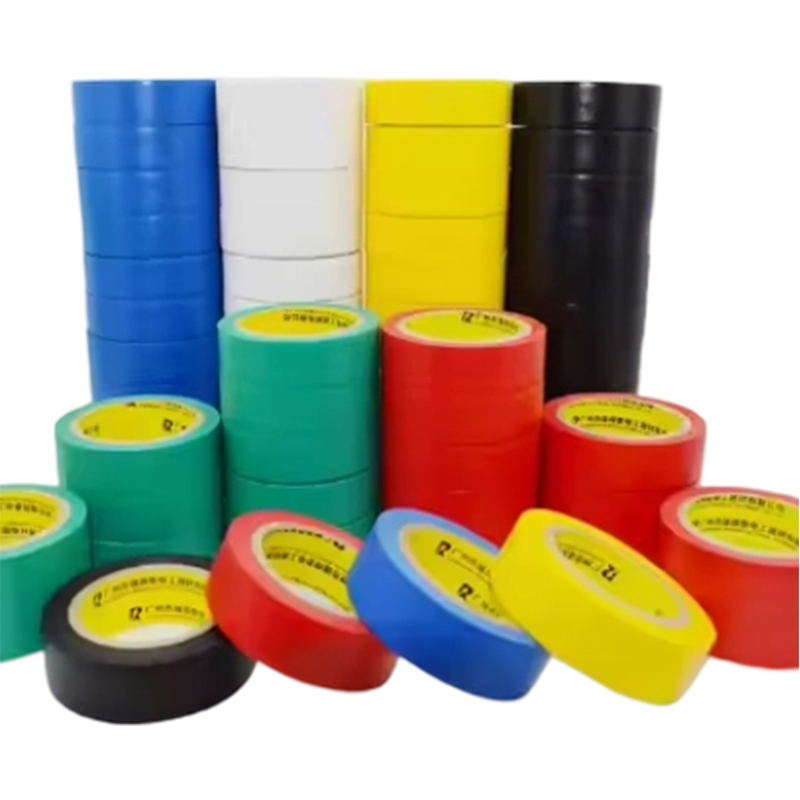
Colorful Flame Retardant PVC Bondage Adhesive Electrical Insulation Tape Raw Material
-
-
-





 +86-13306898646
 No. 103, Kaixuan Road, Xicheng Industrial Zone, Dongyang, Jinhua, Zhejiang, China
