
 en
 English
 日本語
 Español



Why Does High Adhesive Tape Fail on Some Surfaces
 2026.10.02
Strong adhesive tape can still have trouble on some materials. A product called adhesive double sided tape can feel very sticky at first on metal or glass but it can act very differently on polypropylene, polyethylene, powder‑coated surfaces or dirty substrates. The reason is usually the surface, not the strength itself.
Adhesive bonding needs the high adhesive double sided tape to touch the substrate very closely. Surface energy, cleanliness, roughness, coating composition and mechanical stress all affect this touch. Knowing these factors helps explain why a high adhesive double sided tape that feels very sticky can still peel off a surface.

1. Surface Energy Can Change the Bond
Surface energy shows how easily a material lets adhesive spread over it. High surface energy usually lets the adhesive wet well giving the adhesive double sided tape more contact with the substrate. Low surface energy materials resist this spread.
- Metal and glass: These materials usually give conditions for adhesive wet‑out.
- ABS and polycarbonate: These plastics can give fairly good adhesive contact.
- Polypropylene and polyethylene: Their low surface energy makes reliable bonding more difficult.
- Fluorinated materials: low surface energy can make standard pressure‑sensitive adhesives hard to use well.
Published surface‑energy data shows that materials like aluminum and copper are much higher than low‑energy plastics while PP and PE fall into a much harder bonding category.
2. High Tack Cannot Fix Surface Contact
Initial tack shows how quickly an adhesive grabs a surface after contact. It does not automatically predict long‑term holding performance.
Adhesive strength depends on the contact area. A tacky adhesive can feel secure in the first few seconds but can still peel later if it cannot properly wet the substrate.
- Low surface energy can limit flow.
- Uneven surfaces can reduce the contact area.
- Contaminants can create a layer between high adhesive double sided tape and the substrate.
- Insufficient application pressure can stop wet‑out.
Firm application pressure can increase contact and time and temperature may further improve adhesion for certain pressure‑sensitive systems.
3. Could a Clean Surface Still Be Difficult?
Yes. Cleanliness matters, but a clean surface can still have chemistry that makes bonding hard. Polypropylene and polyethylene are examples. Their molecular structure gives them surface energy limiting how many standard adhesives can spread over them.
Special adhesive formulas can solve this problem. Modified acrylic systems made for low surface energy substrates are designed to improve wet‑out and adhesion on materials such as PP, PE and some powder‑coated surfaces.
4. Coatings Can Create Another Adhesion Layer
Painted or powder‑coated components add another factor. The high adhesive double sided tape may not be bonding to the metal beneath; it is bonding to the coating. Coating chemistry, additives, surface texture and coating durability can all affect the result.
- Powder coatings: Some formulations have surface energy and may need a compatible adhesive system.
- Painted surfaces: Weak paint adhesion can cause the coating to separate before the high adhesive double sided tape fails.
- Glossy finishes: Smooth surfaces may give contact but surface additives or release agents can still interfere with bonding.
Surface preparation can improve bonding and primers or adhesion promoters may help some substrates. Their suitability depends on the high adhesive double sided tape and material combination.
5. Roughness Has Two Sides
Surface texture changes how much of the adhesive can touch the substrate. A textured surface may benefit from a softer or thicker adhesive layer that can fit into tiny irregularities.
Much roughness creates the opposite problem. Large peaks and valleys can leave parts of the unsupported reducing real contact.
Technical guidance says a thicker flexible high adhesive double sided tape with a softer adhesive can give more surface contact when conditions are right.
- Smooth metal generally gives adhesive contact.
- Textured plastic may need more conformability.
- Heavy surface texture can reduce contact.
- Foam carriers can help bridge surface irregularities.
6. Why Does Tape Hold Today? Peel Later?
Bond development does not always stop after use. Pressure‑sensitive adhesives can keep wetting the substrate over time. Early loading, vibration, peeling forces or temperature changes can expose weaknesses that were not clear after use.
Long‑term performance also depends on the direction of the load. Peel forces put stress near an edge while shear forces act along the surface. A high adhesive double sided tape with peel performance may not act the same under constant shear.
7. What Should High‑Adhesive Tape Be Matched With?
High adhesive double sided tape should be matched to the substrate not just by adhesive strength alone.
- Metal: Consider peel and shear needs along with surface cleanliness.
- Glass: Evaluate moisture exposure and long‑term environmental conditions.
- PP and PE: Consider a formula made for low surface energy materials.
- Painted surfaces: Test the coating itself not just assume the metal beneath decides adhesion.
- Rough substrates: Consider an adhesive layer that can keep wide surface contact.
High adhesive double sided tape does not guarantee bonding on every substrate. Surface energy, contamination, roughness, coatings, application pressure and mechanical loading can all change the result. Low surface energy plastics like PP and PE can be especially hard because conventional adhesives may not wet the surface enough.
The key is not just picking a tape with tack. Reliable bonding comes from matching chemistry and high adhesive double sided tape construction with the surface features and stresses of the finished assembly. A high‑adhesion product works best when its formula is compatible, with the material it needs to hold.
-
-
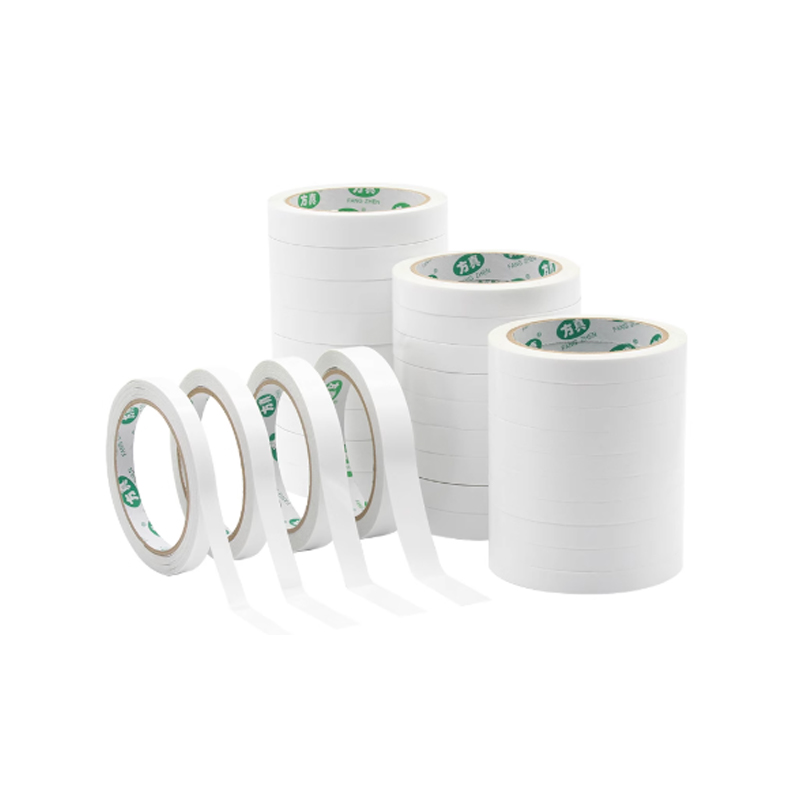
Strong Double Sided Adhesive Tape for Artist Crafts Card Making
-
-
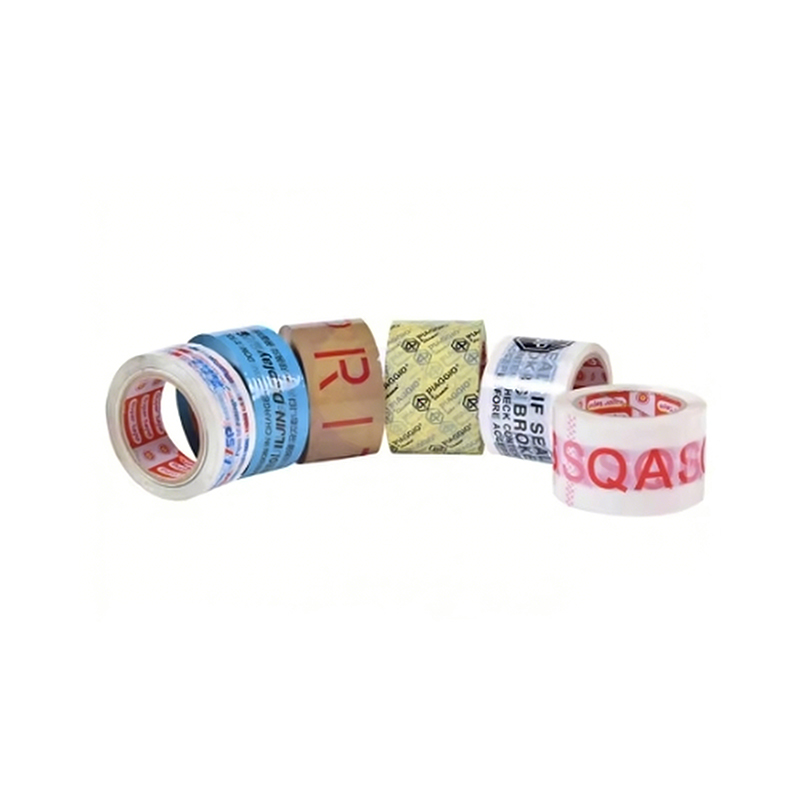
Waterproof Shipping Carton BOPP Adhesive Packing Printing Tape
-
-
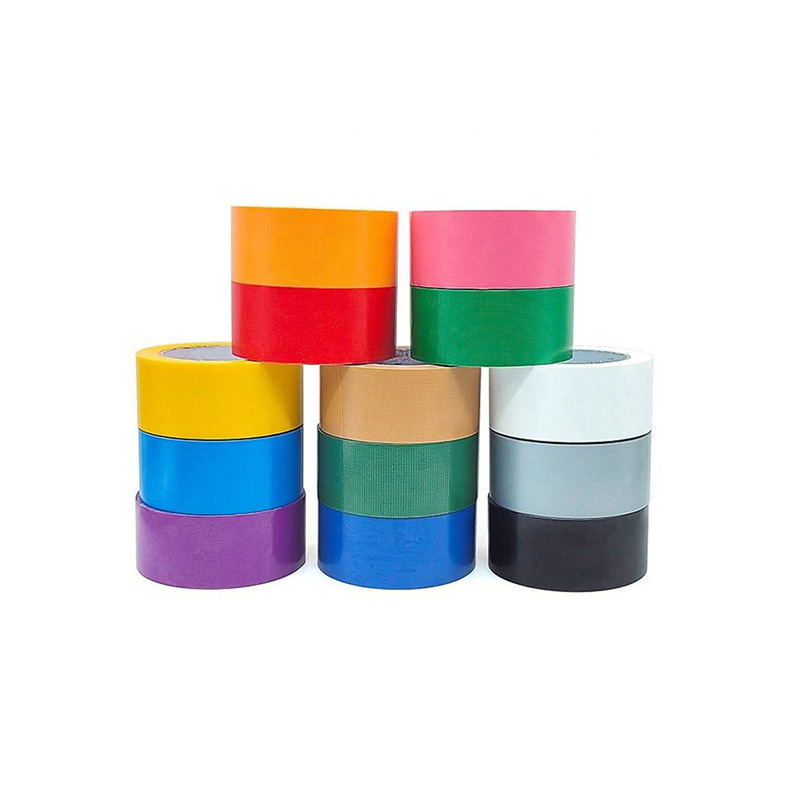
70 Mesh Colorful Waterproof Glossy Adhesive Fabric Cloth Duct Tape
-
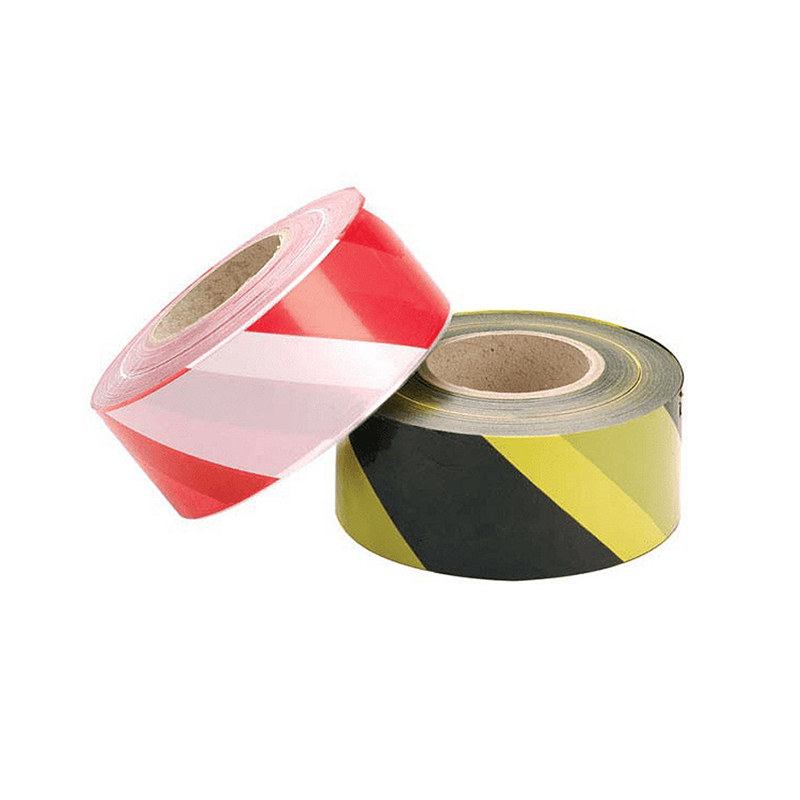
Yellow PE Warning Tape Decorative Tape Safety Marker Indicator Tape
-
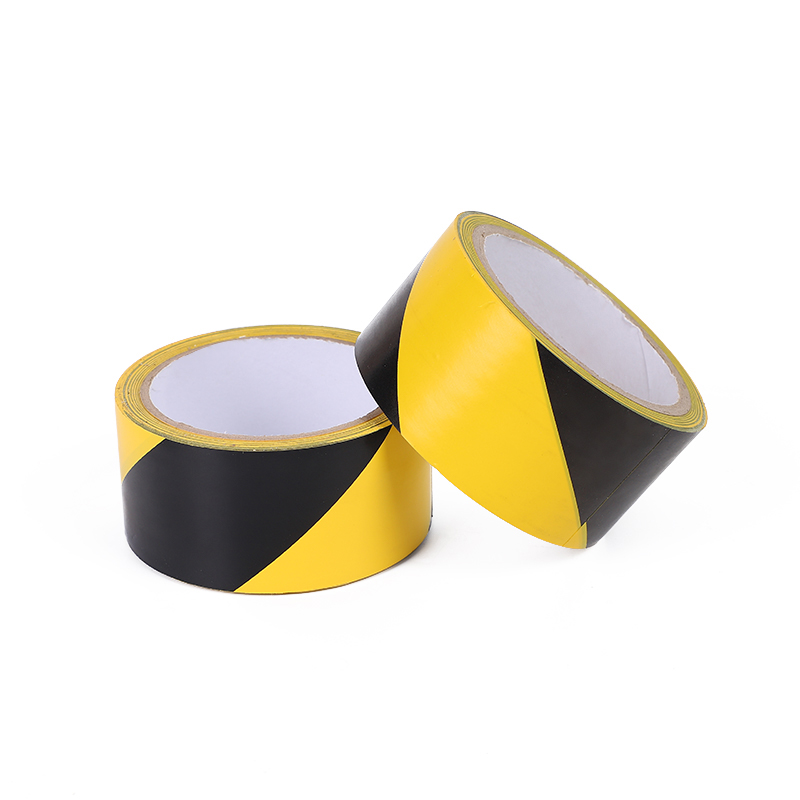
Black & Yellow High-Visibility PVC Adhesive Floor Marking Warning Tape
-
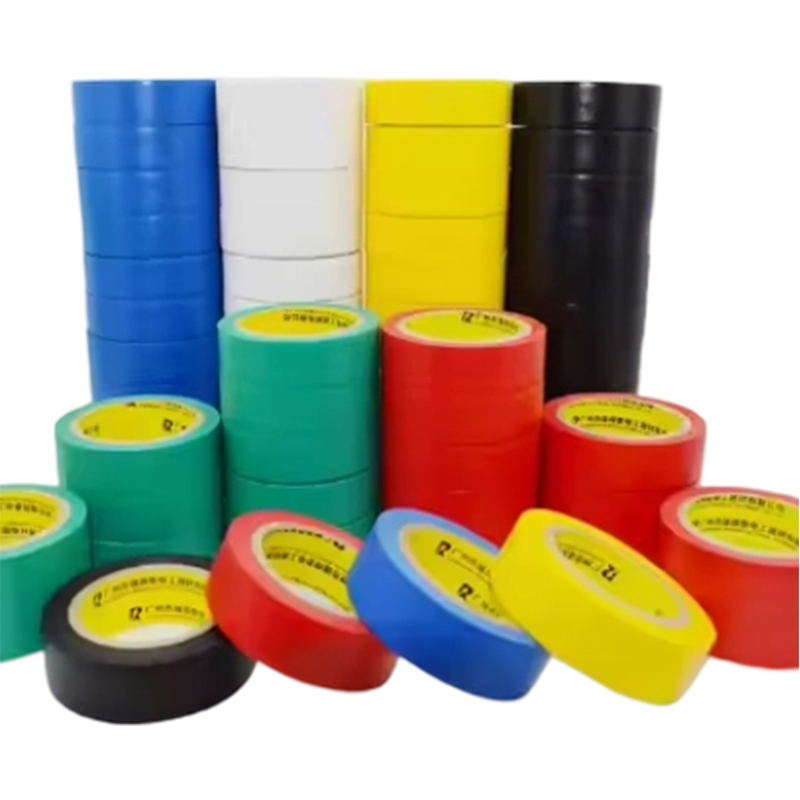
Colorful Flame Retardant PVC Bondage Adhesive Electrical Insulation Tape Raw Material
-
-
-





 +86-13306898646
 No. 103, Kaixuan Road, Xicheng Industrial Zone, Dongyang, Jinhua, Zhejiang, China
