
 en
 English
 日本語
 Español



Waterproof Sealing Tape vs. Moisture: Where Does Adhesion Fail
 2026.09.25
Moisture creates a challenge for any pressure-sensitive adhesive. Water can reach the tape surface sneak through gaps or build up around the edge of a bonded part. Double sided waterproof sealing tape is built to handle these situations but just because a tape is waterproof doesn’t mean it will hold up under every kind of moisture exposure.
Adhesion can fail for reasons. These include contaminated surfaces, poor contact between the tape and the material exposed edges, movement in the materials being joined or long-term contact with water. Knowing where these problems happen helps explain why a tape that simply keeps water out is not the same as a tape made to keep a bond even when wet.

1. Where Does Moisture Enter the Bond?
Water doesn’t always need to go through the tape itself to damage a bond. The edge of the bond around the perimeter can be a weak spot. This is more likely when the surfaces aren’t smooth or have gaps.
- Exposed edges: If the tape edges aren’t sealed water can get in from the side.
- Surface gaps: Rough or uneven materials may not let the tape stick all the way across.
- Contamination: Things like dust, oil, fingerprints or leftover residues from manufacturing can keep the tape from bonding properly before water even shows up.
- Component movement: If the parts move. From vibration temperature changes or expansion. Small spaces can open up around the bond.
Flexible foam carriers help here. They can. Bend to fit uneven surfaces. Some waterproof sided tapes are made to follow the shape of the surface while still keeping the bond strong and water-resistant.
2. Does Waterproofness Guarantee Strong Adhesion?
Water resistance and adhesive strength are not the thing. A tape can resist water. Still have different levels of hold depending on the material it’s sticking to.
For example one flexible acrylic foam tape shows peel strength values in lab tests. On polypropylene it holds at 11.8 N/20 mm. On glass it gets up to 30.7 N/20 mm. That’s a difference.
- High-energy surfaces: Materials like metal and glass usually allow adhesion with the right tape formulation.
- Low-energy plastics: Things like polypropylene or similar materials may need an adhesive to stick well.
- Porous materials: Wood, fiberboard and other absorbent surfaces behave differently than nonporous ones.
Even if a tape is advertised as waterproof the surface it sticks to still matters a lot.
3. How Does Tape Thickness Affect Moisture Protection?
The thickness of a tape affects how well it can fill gaps and stay in contact with a surface. Thin layers may not cover spots well. Thicker foam layers can. Fill in gaps better.
There are double-coated foam tapes in different thicknesses. Common options are 0.15 mm, 0.20 mm 0.25 mm and 0.30 mm. These are tested to meet IPX7 standards, which means they can handle being submerged in water.
- Thin constructions: Good when the bond line needs to be narrow and there’s space.
- Medium constructions: Offer a balance between how the tape conforms and how stable it stays.
- Thicker constructions: Better for filling gaps and joining surfaces.
Thickness should match the shape and fit of the joint not be the measure of waterproof performance.
4. What Happens During Long-Term Water Exposure?
Short bursts of water and long-term moisture are very different. A tape may pass a short immersion test. Still fail in real-world use where it’s exposed to humidity, condensation, temperature swings or repeated wet and dry cycles.
Standard tests often use IPX7 conditions. Immersion at 1 meter for 30 minutes. These are benchmarks.. Actual service conditions can include different temperatures, longer exposure times, different materials and constant mechanical stress.
- Repeated dry cycles can stress the bond.
- Condensation can seep in around the edges of components.
- Temperature changes can cause materials to expand or shrink at rates.
- Standing water can leave the tape exposed longer than a splash.
These real-life conditions make long-term performance harder to predict.
5. Why Do Edges Often Become the Weak Point?
The edges of a bonded joint are usually the stressed areas. Water pressure, impact and peeling forces can all focus on corners. Exposed edges.
Sealing the edges is especially important when the assembly will see moisture. A flexible tape can help maintain contact around curves and uneven shapes. Closed-cell foam structures are great at blocking water and moisture. Some acrylic foam tapes are built to create a seal against dampness.
Here are some tips to keep the bond strong:
- Keep the bonding area clean. Free from dust and oil.
- Choose a tape width that covers the sealing area.
- Avoid bends that put too much stress on the edges.
Think about how the materials will move when temperature and humidity change.
6. Which Moisture Test Matches the Application?
What kind of test matters depends on where the tape will be used. IPX7 immersion, humidity exposure splash tests and outdoor weathering all represent kinds of moisture.
- Splash exposure: Good for parts that get water now and then like on a car or outdoor gear.
- Immersion: For parts that will be underwater, for a set time.
- Humidity testing: Helps see how the bond holds up in environments over time.
- Weather exposure: Adds sunlight, temperature changes and other outdoor stresses to the moisture test.
Each test shows a kind of performance.
sided waterproof sealing tape can keep a strong bond in moisture-heavy environments. But its success depends on the chemistry the materials it sticks to the tape thickness how clean the surfaces are, how the edges are sealed and the actual conditions the finished product will face.
Waterproofness alone isn’t enough. The real question is not whether water touches the tape. It’s whether the whole adhesive system can keep a connection and block moisture for the full life of the product.
-
-
Strong Double Sided Adhesive Tape for Artist Crafts Card Making
-
-
Waterproof Shipping Carton BOPP Adhesive Packing Printing Tape
-
-
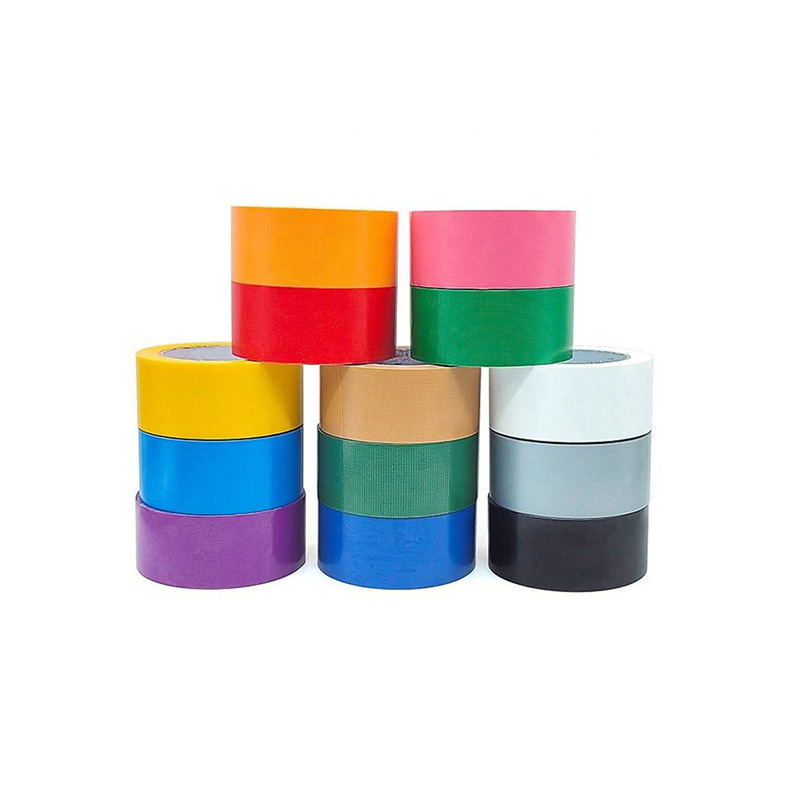
70 Mesh Colorful Waterproof Glossy Adhesive Fabric Cloth Duct Tape
-
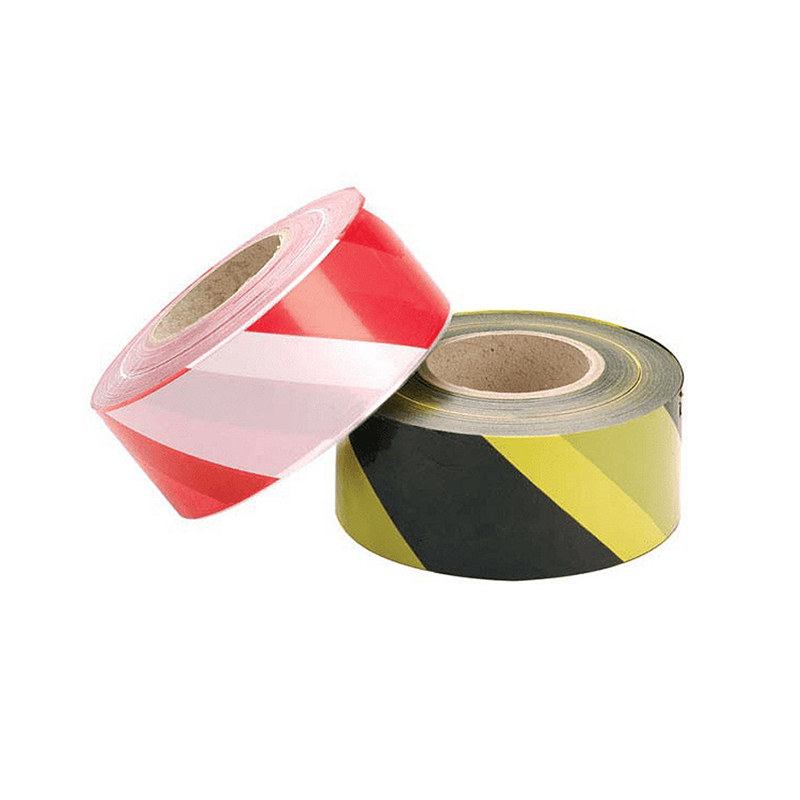
Yellow PE Warning Tape Decorative Tape Safety Marker Indicator Tape
-
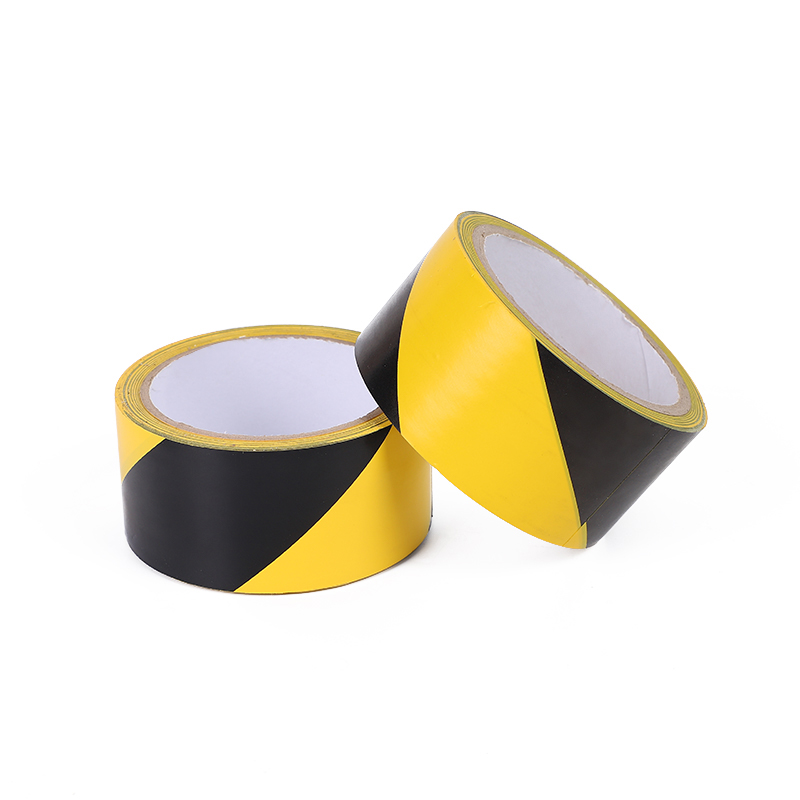
Black & Yellow High-Visibility PVC Adhesive Floor Marking Warning Tape
-
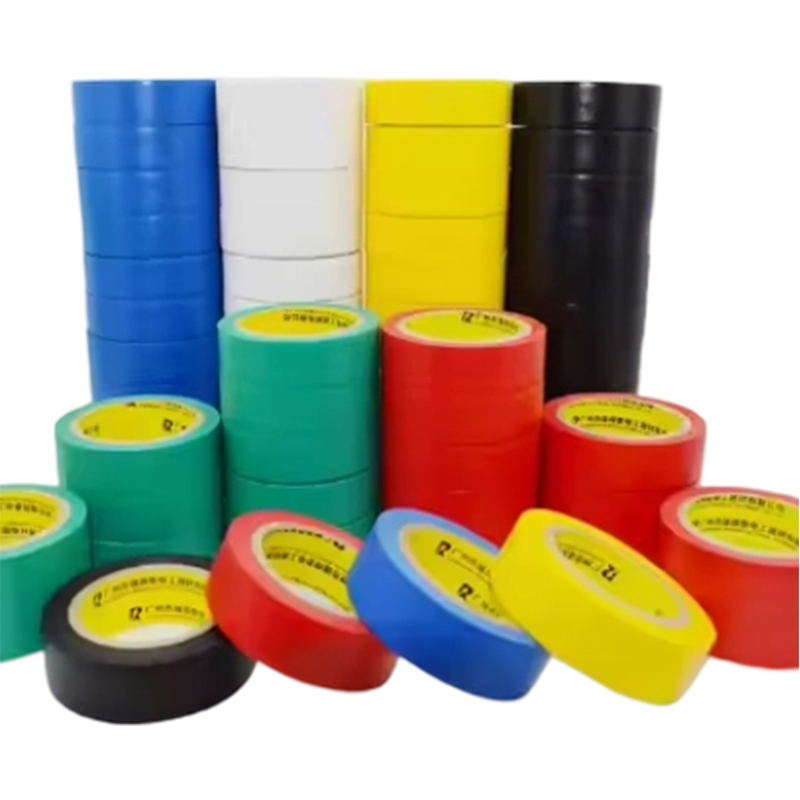
Colorful Flame Retardant PVC Bondage Adhesive Electrical Insulation Tape Raw Material
-
-
-





 +86-13306898646
 No. 103, Kaixuan Road, Xicheng Industrial Zone, Dongyang, Jinhua, Zhejiang, China
